
Conservation Civics
Cincinnati Nature Center encourages people to connect, not only to nature but to one another because we can better protect nature when we act together.
Read articles about local individuals who are making a difference, understand how decisions are made in your community, and explore opportunities to influence those decisions.
We can help protect the places we love through local civic engagement, but it’s not always an easy path. Bill Schieman has spent decades of his retirement years on this path. With generosity of time and talent, Bill is quick to help others who seek advice on land and water protection.
For twenty years, Sarah Bills has lived in the small suburban city of Beavercreek, located about five miles east of Dayton. Like many of us, she loves nature, cares about a healthy environment, and feels a responsibility to help influence positive change in her community. But unlike most of us, she has followed a trail of civic engagement leading to her current role on city council.
Our country is undergoing perhaps the most sweeping rollback of protective environmental regulations in its history, and if you feel anxious about this, you’re not alone. But we’re all embedded in systems that limit our choices and mask our impact on the earth. Other than wishing things were different, what can we do?
Alison Pifer is the Executive Director of the Little Miami Watershed Network, and she’s also an advocate for urban homesteading, the practice of growing food in suburban or city environments. Alison isn’t afraid to get her hands dirty—literally—to improve her community.
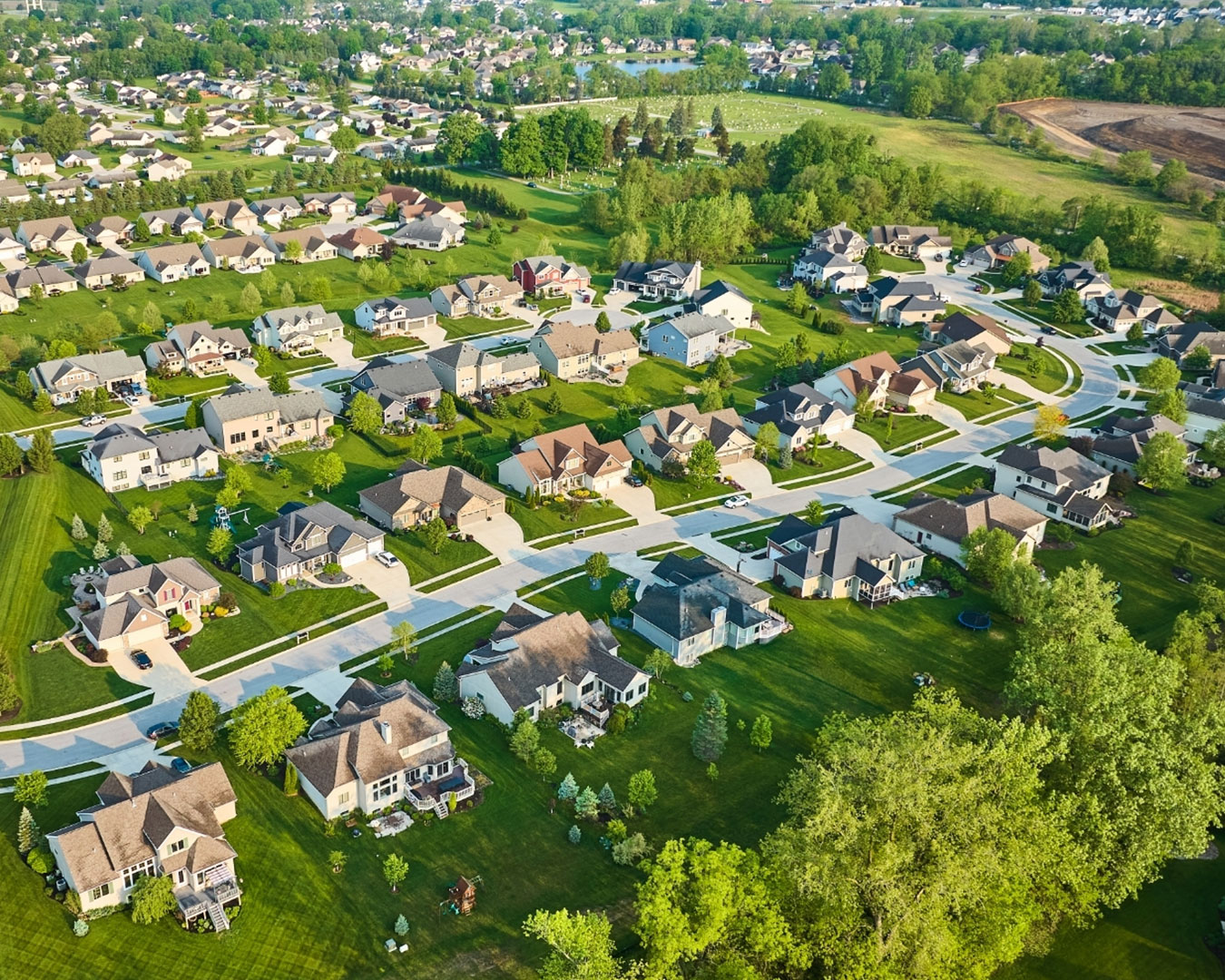
In the suburbs, where country means city, residents often hope to preserve the rural character of their community while still enjoying modern amenities and services. Meanwhile, people seek affordable places to live. This article presents a brief overview of how land use planning works and recommends steps citizens can take to influence win-win solutions for conservation.
Residents of Batavia Township, Ohio have recently petitioned to put two issues on this November’s ballot. One is a referendum to reverse the Board of Trustees approval of a particular planned development in a rural area. The other is an initiative to remove Article 36, which guides Planned Developments (PDs), from local zoning regulations. Both of these efforts are an attempt to curb residential growth.
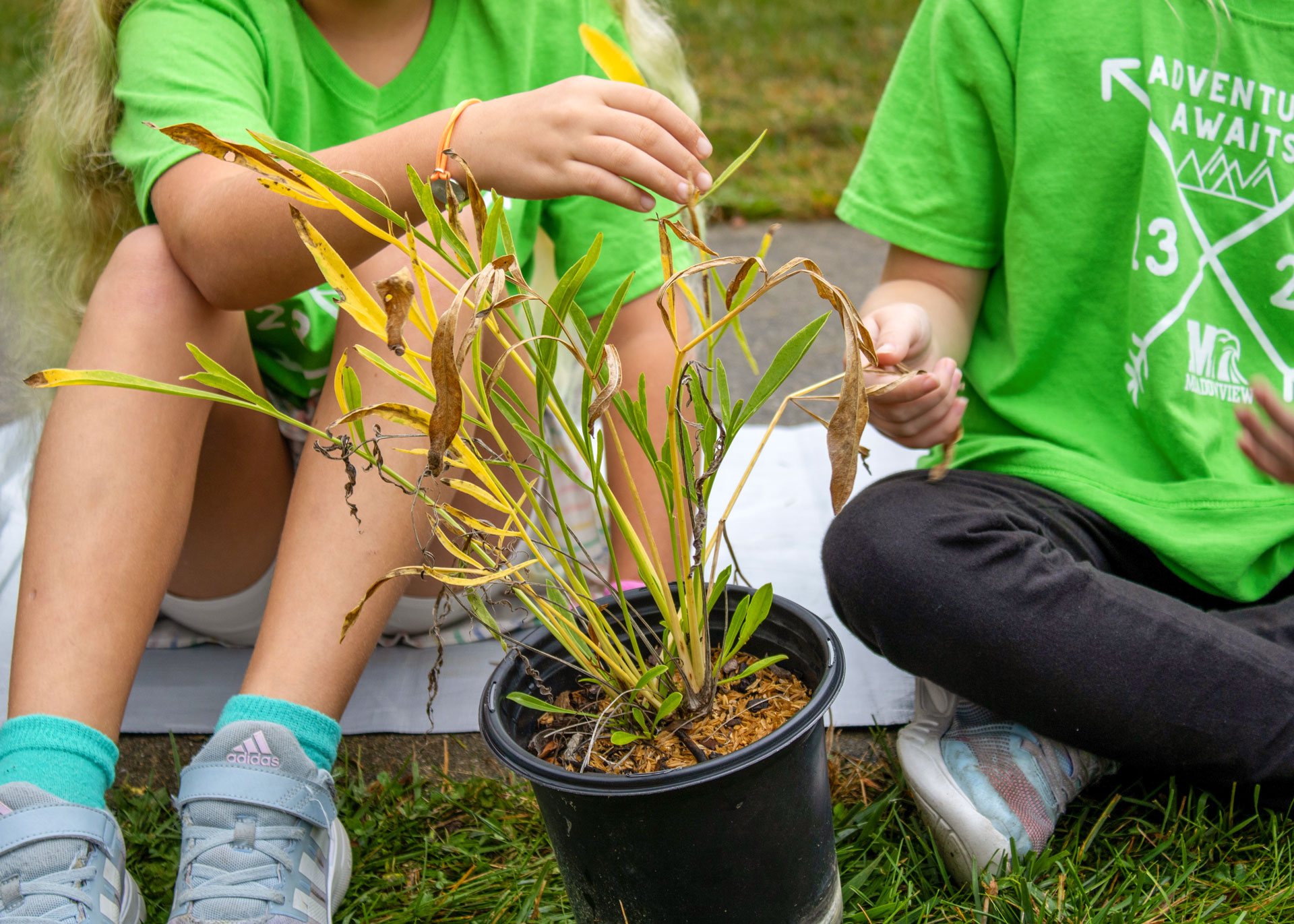
Plant a seed, and so much more than you expect may grow. Over the past 14 years, Kim Forman has seen this idea in action at the Stewart Elementary school garden, where children learn about nature through firsthand experiences.
Marjie Becus is alone in the woods. She moves slowly, careful not to crush any vulnerable plants. A bramble snags her pants, and she takes a wide step to avoid tripping on a vine. Then she spots a wildflower species she has never seen in this location. Read on to learn how this nature lover and amateur botanist has contributed to conservation of native plants.
Taking action for the environment doesn’t have to feel like hard work if you enjoy what you do. For lifelong learner and teacher Eric Gruenstein, his volunteer and civic path has involved meeting great people, learning new skills and facts, and guiding others. Read on to see how Eric leaned into his strengths and consider what that might look like in your own life. Consider how you might take action for nature in ways that support your passion.
National politics feels like a spectator sport to many Americans. We vote, then watch and comment from the sidelines as the game gets played. But local government, on the other hand, offers residents a meaningful chance to shape their communities.
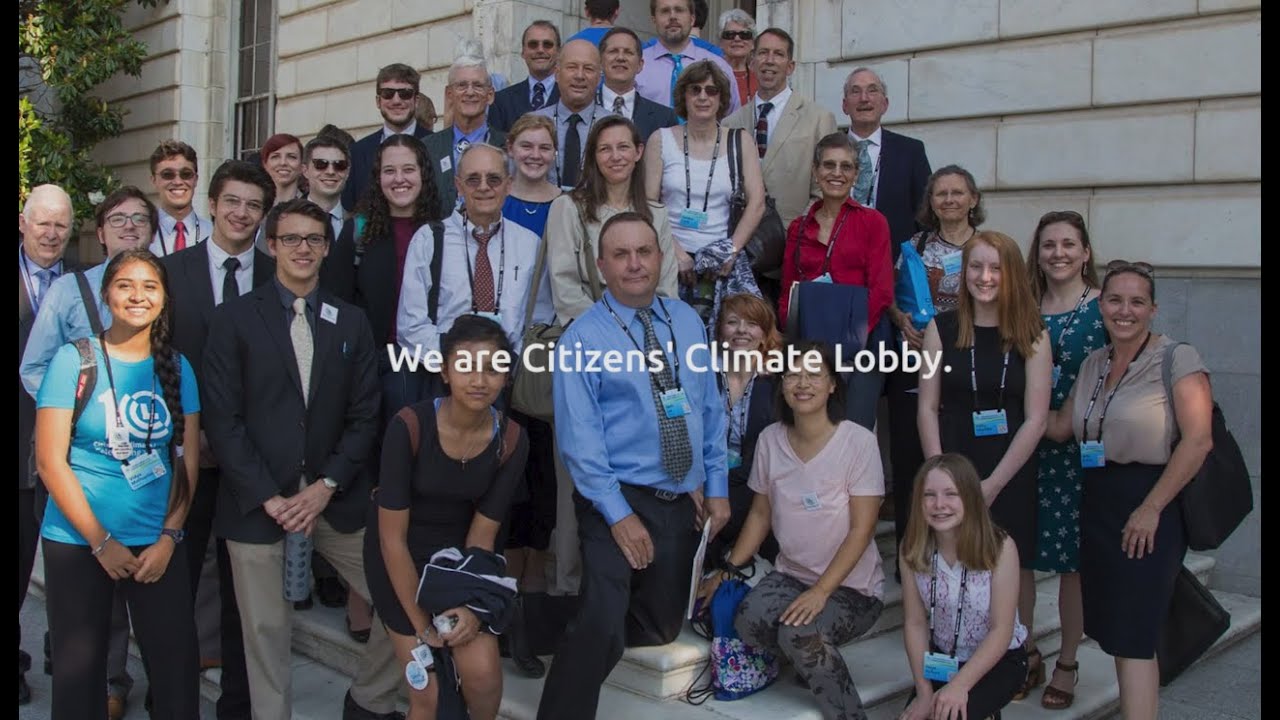
How can individuals influence the creation of policy with a positive impact on climate issues? Twins Kelly and Kristi Patterson can offer some guidance. They asked themselves that question about seven years ago and discovered Citizens’ Climate Lobby (CCL).
John Gray is a man with a mission: to protect his organic farm and preserve the rural character of Batavia Township. Along the way, he is learning a lot about tools that citizens can use to try to influence decisions in their communities.
An often overlooked but important way to promote conservation and sustainability is by volunteering to help one’s community park commission or environmental advisory council, if your community has one. Learn how Rob Shimp got involved in his community and consider ways you might do the same!
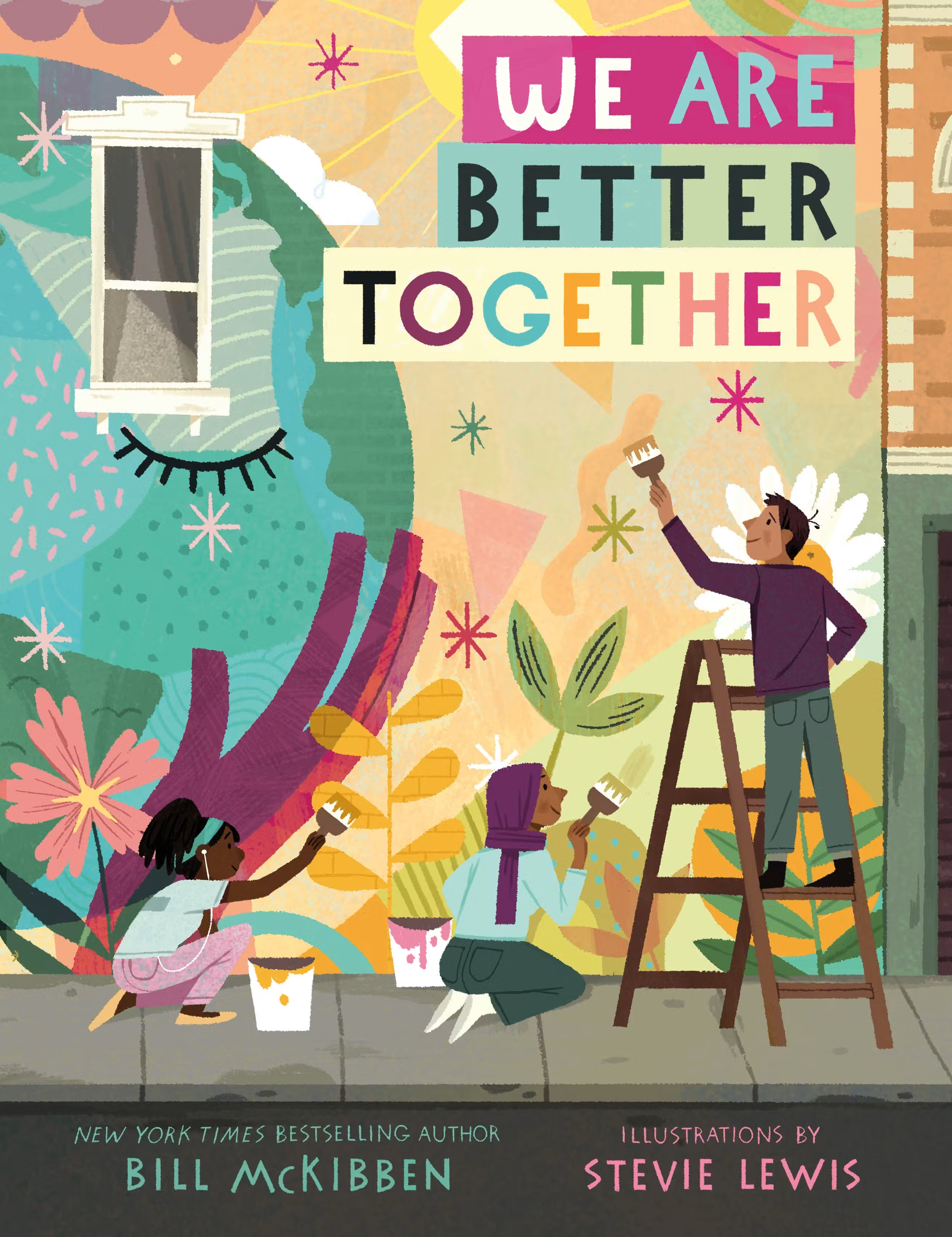
Once we bowled in leagues, usually after work—but no longer. This seemingly small phenomenon symbolizes a significant social change that Robert Putnam has identified in this brilliant volume, which The Economist hailed as “a prodigious achievement.”
When Peggy Spaeth retired, she dedicated much of her new-found time to gardening with native plants and inspiring others to do the same. An email to neighbors activated the first dozen early adopters, and as others saw and admired the beauty of these efforts, they asked to get involved.
Jodine Grundy’s life of community organizing and activism is captured in a quote from Antonio Machado’s Proverbs and Songs #29: “Traveler, there is no path, the path is made by walking.” Throughout her life, her dream helped create her path. Follow her path to see the steps she took to heed the call to action.
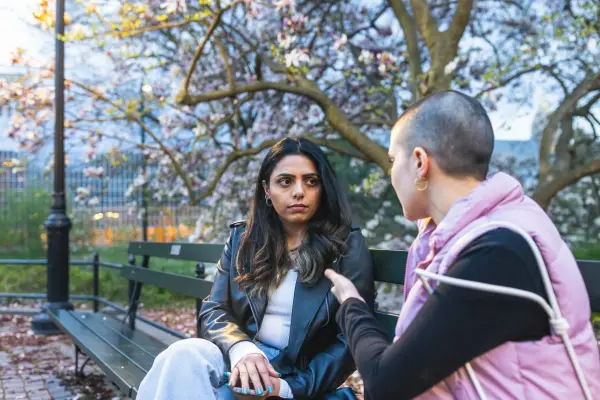
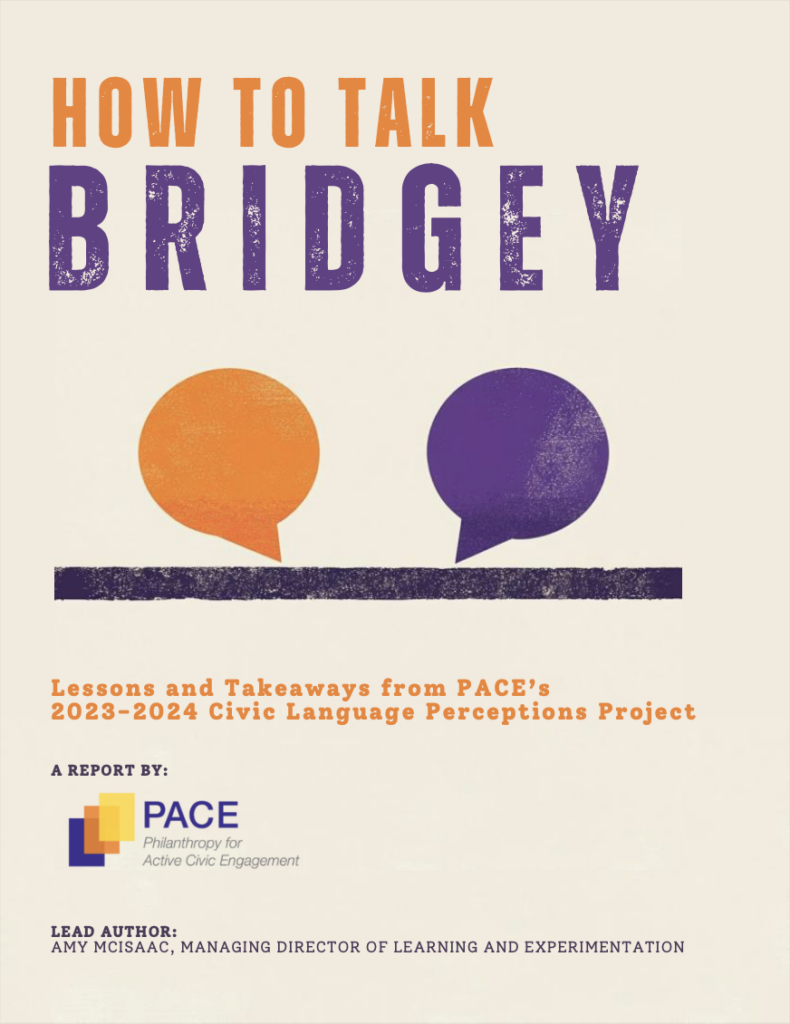
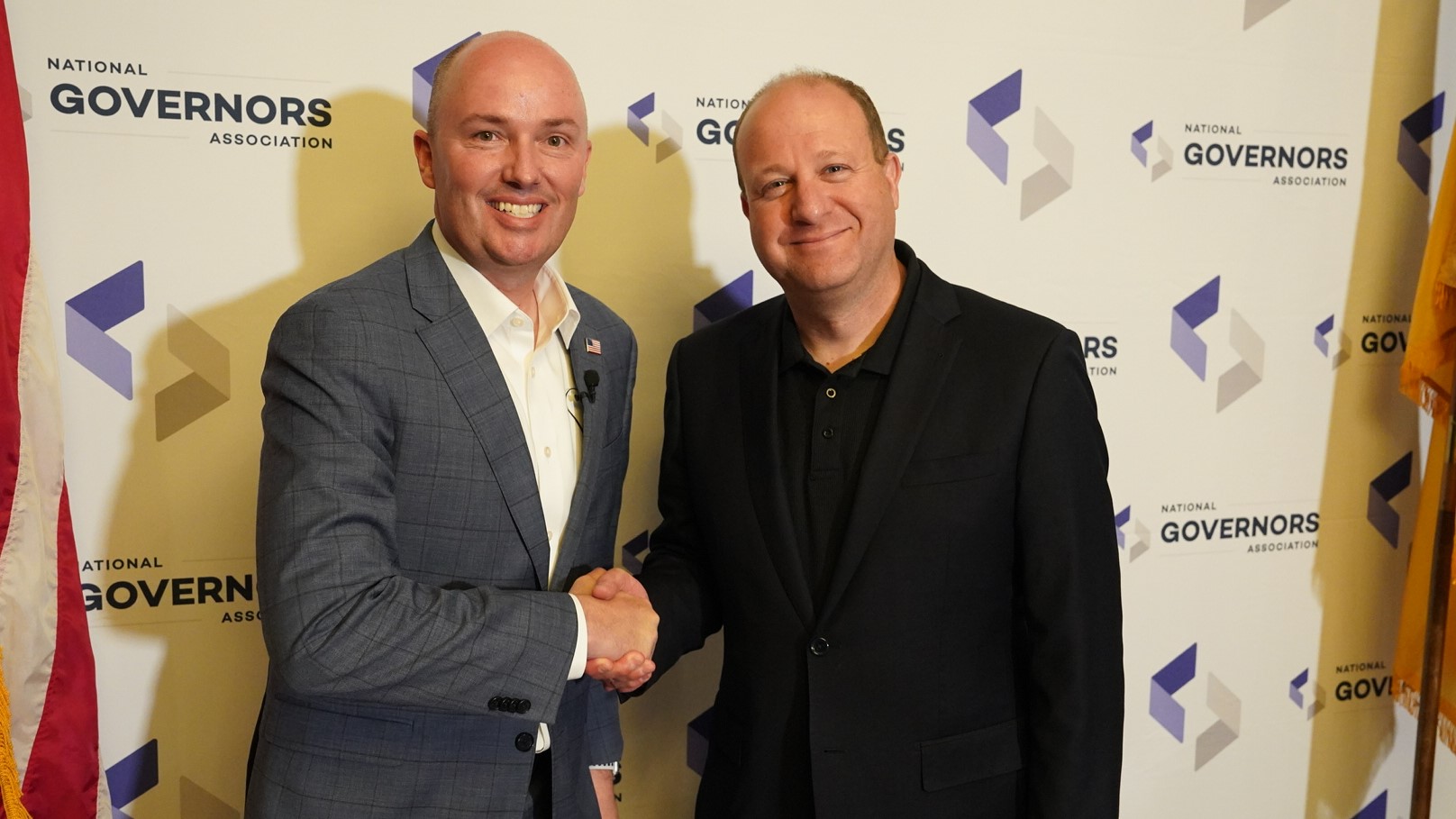
There used to be an old adage that one should never talk about sex, religion or politics in polite company. But when it comes to families, company is not always polite. You may find yourself sitting at the dinner table with people on the far left or right, and some who identify as the“exhausted majority.” How will the conversations go? What will be said and in what tone? And what can be done if things go sideways?
Read about how animal lovers Chris Lottman, her husband Bob Rack and neighbor Laurie Briggs did what nobody thought could be done, convincing decision makers to permit them to spearhead an experimental approach to compassionate deer management in Clifton.
Being an agent of change takes more than expertise. It takes tenacity, the ability to build coalitions, and a willingness to understand opposing viewpoints, says plant ecologist Theresa Culley. For nearly two decades she has brought all these skills into play as part of a statewide effort to control invasive species.
Often the decision to step into civic engagement is the result of a call to action that can no longer be ignored. For Julie, it was the loss of her home in 2006 that started her thinking that she should pay more attention to the political and economic systems that weren’t working.
Amber Ostaszewski encourages people to help reduce negative effects on the environment by being mindful about their clothing choices. Using natural dyes instead of harmful chemicals and natural fibers instead of synthetics can protect vital resources like soil, water, and human capital. Recently, Amber met with The Ripple writer Barbara Moss to explain how “slow fashion” can improve the health of the planet.
Most Ripple readers feel a special connection to nature. Some, like this month’s featured influencer, have changed their lives to support that connection more fully. Drausin Wulsin says “I was never spiritually fulfilled in regular jobs but in working with the land, I found myself fully engaged and found strength I never knew I had.”
Every teacher is an influencer. Every teacher has a legacy. Jon Sounders’ story is an example of how a teacher can advance the cause of nature conservation while inculcating in young people ways of thinking and investigating that serve them into adulthood.
Despite challenges such as public speaking fears and a full personal schedule, Cynthia Duval has successfully rallied community support to protect Burnet Woods' environmental integrity and continues to fight against new threats like a proposed dog park that could harm the area's ecosystem.
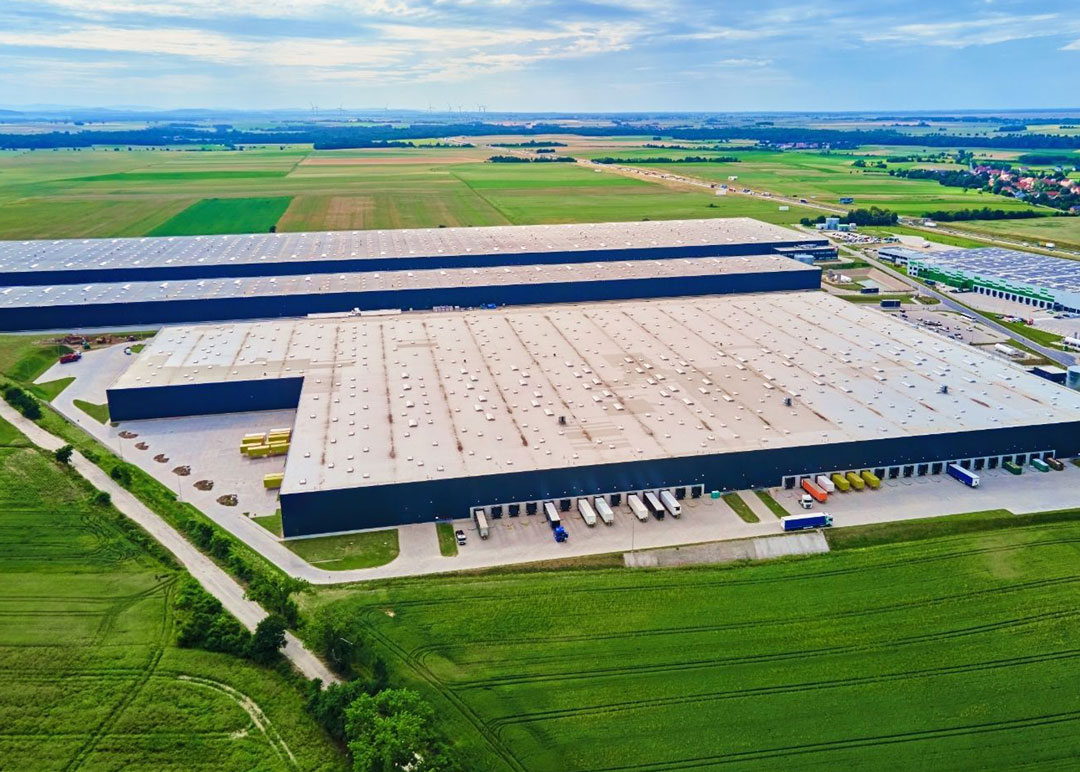
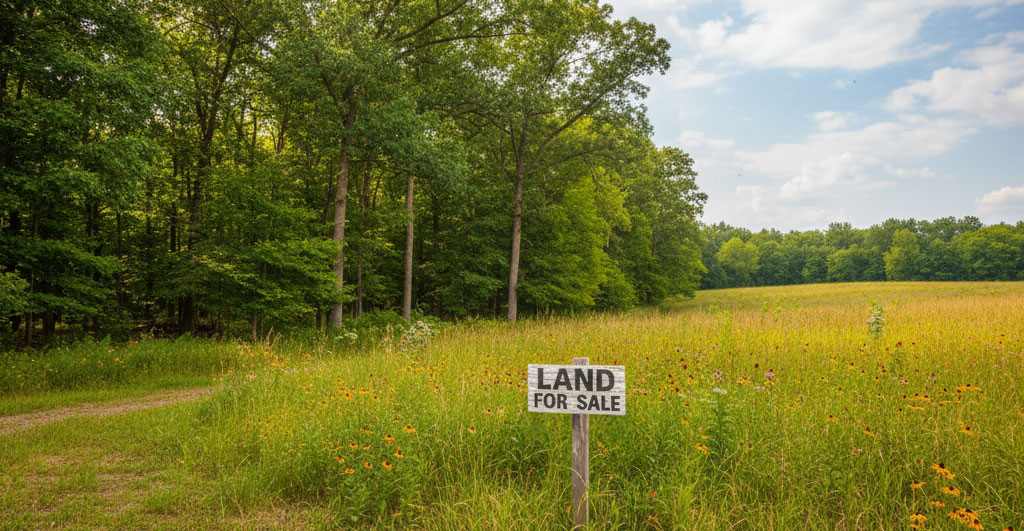
In Loveland, Ohio, a grassroots group successfully prevented the development of 109 acres of historic farmland and woods into a housing project by organizing and influencing local government decisions. Their efforts led to the conservation of the land, supported by grant funds awarded to Cardinal Land Conservancy, highlighting the power of community activism and strategic engagement in local governance.
Steve Inglish, a dedicated volunteer at the Cincinnati Nature Center, has become a significant influencer in promoting native plant gardening following his retirement. Mentored by experts and driven by his passion for environmental conservation, Steve uses his skills in public speaking and education to inspire others to adopt environmentally friendly gardening practices, continuing to "pay it forward" through public talks and leadership in community science projects.
Sheila Cox-Riley, an avid astronomer and amphibian enthusiast living near East Fork State Park, successfully advocated for road closures during amphibian mating season and addressed light pollution concerns from a nearby manufacturing complex to protect her interests in stargazing and amphibian conservation. Her approach involved persistent, respectful communication with local authorities and educating her community about the benefits of conservation and proper lighting.
Cincinnati Nature Center encourages people to actively connect with one another for better communities and a heathier environment.
Explore upcoming Cincinnati Nature Center-hosted courses and events below!
Conservation Civics is based on the idea that meaningful progress requires working in five arenas: Conscientious Choices, Connection to Others, Civil Discourse, Civic Engagement, and Collective Action.
Filter to explore examples of each below!
Glossary
Expand each term below to learn more!
Connection to Others
Tap into our shared human psychology to build empathy and negativity. The more we understand human behavior, including our own, the less self-righteousness we will be.
Conscientious Choices
Develop a more nuanced understanding about how lifestyle and consumer choices can impact the environment for better or worse.
Collective Action
Learn to tackle big problems by working together or through donations to NGOS that hire experts to act om our behalf.
Civil Discourse
Have better, conflict-free conversations that build understanding and advance better solutions. The more we emphasize common ground, the more likely we are to find win-win solutions.
Civic Engagement
Explore ways to protect land by engaging in local public decisions that impact your community the most
The Ripple newsletter is a bi-monthly electronic compilation of thought-provoking articles, podcasts, websites, videos, and invitations to inspire action and advocacy.
Click below to subscribe or explore past issues:

Support Our Mission
Click here to donate to Cincinnati Nature Center's Conservation Civics initiative! Together we can work to understand and act within the social, political, and economic structures of our communities to protect people and nature.
If you have suggestions or would like to contribute to a topic, please email civics@cincynature.org.
More to Discover
JOIN OUR EMAIL LIST
Get the latest nature news, direct to your inbox!
Enhance your hike with our Mobile Guide!
Access interactive trail maps, information, activities, and more!

Phone: (513) 831-1711
Email: cnc@cincynature.org
Rowe Woods
4949 Tealtown Road
Milford, OH 45150
Grounds Hours: 7 am–9 pm
Rowe Visitor Center: 9 am–5 pm
The Nature Shop: 10 am–5 pm
Long Branch Farm & Trails
6926 Gaynor Road
Goshen, OH 45122
Members Only
Grounds Hours: 7 am–9 pm


_54-CROP.jpg)