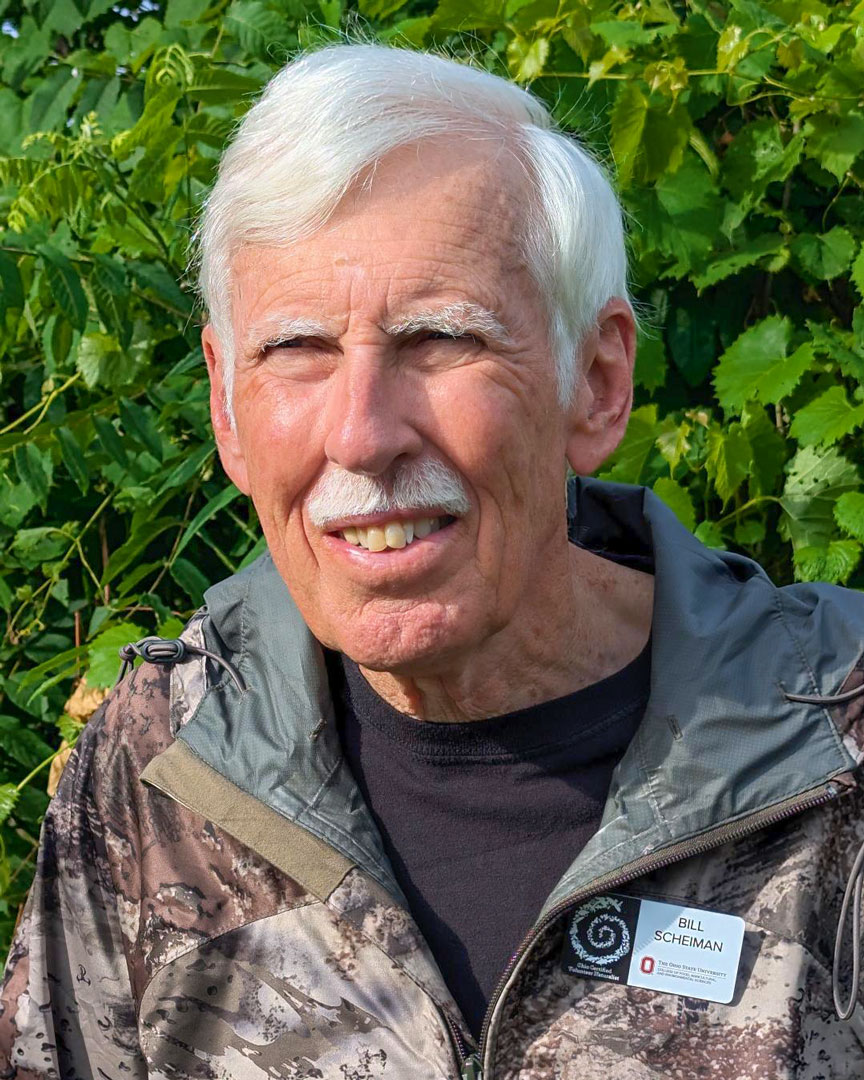


A story by Tracy Vonder Brink on Bill Schieman. This article is also featured in the July 10, 2026, issue of The Ripple.
Click here to subscribe to this monthly e-newsletter!
We can help protect the places we love through local civic engagement, but it’s not always an easy path. Bill Schieman has spent decades of his retirement years on this path. With generosity of time and talent, Bill is quick to help others who seek advice on land and water protection. Read on to learn from his experience!
Bill is a retired AT&T Information Technology Director who has spent many years working and living abroad. After his retirement, he returned home to the Miami Valley and became interested in Zoning and Long-Range Land Use Planning.
A post WWII ‘baby boomer,’ Bill grew up in east Dayton on the fringe of agricultural fields, woods and streams that had yet to be erased by bulldozers in the rush to develop more housing. He describes his exploration of these places as a natural playground which “no hi-tech play space or adventure park could ever rival.” Looking back now, Bill credits those early years of access to those ‘wild’ places as helping to lay the foundation for love of Nature and his interest in responsible land use.
Bill’s personal creed is, “Nature nurtures” and he has accepted many awards for his work and community service over the years. As an Ohio Certified Volunteer Naturalist, Bill has developed and led educational programs for adults and children in several state and local parks. He says “In some small way I hope my service will inspire others who have the time and ability to do likewise.”
In 2015, Bill was honored with receiving the “Individual of the Year” Award from the Greater Dayton Partners for the Environment. When the Dayton Foundation launched its Future Environmental Leaders program in 2018, he was honored when asked to serve as a mentor for participants. The program uses Cincinnati Nature Center’s course, The Ripple Effect, in its curriculum. Each year, Connie O’Connor, Cincinnati Nature Center's Director of Applied Learning, makes a few guest appearances in Dayton. This is how Connie and Bill met. Connie says “Bill has been enormously helpful to me as I seek to understand and teach others about civic engagement to protect land. He is so dedicated to putting his valuable experience to use mentoring newbies like me!”
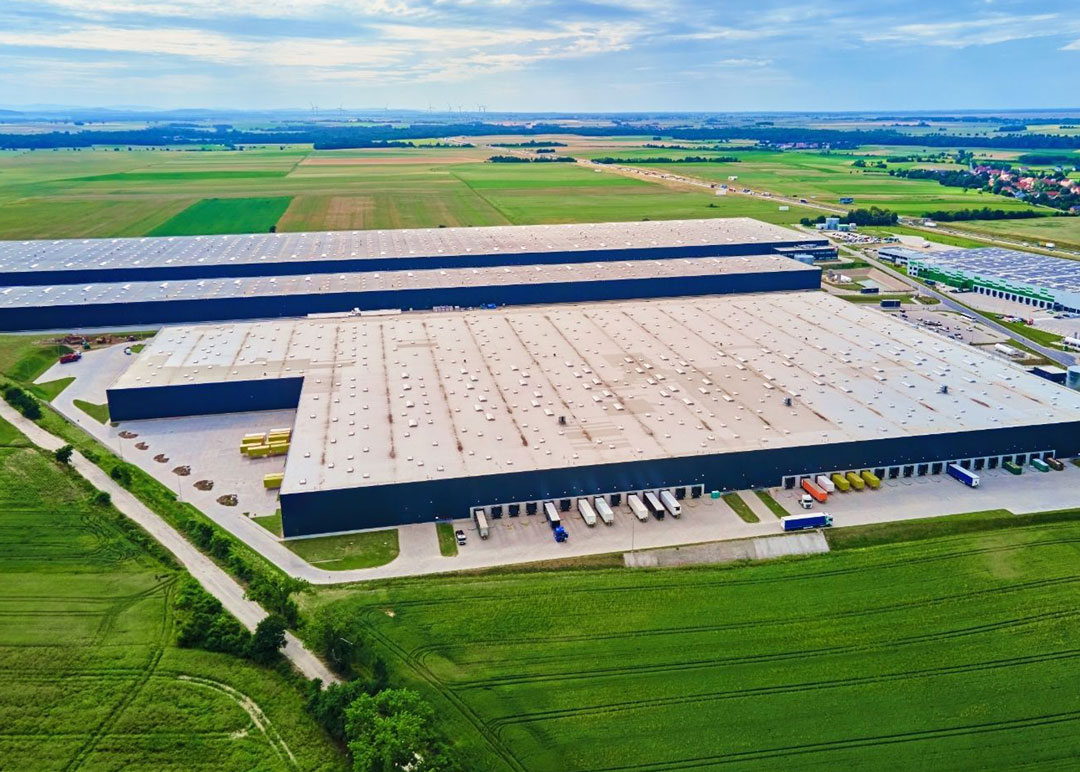
Bill is currently Secretary and Board member of the Ohio Scenic Rivers Association and it’s this focus on water protection that most recently turned his attention to a topic on the minds of many Ohioans – hyperscale data centers. Bill explains how Ohio is fast becoming the center of the “Silicon Heartland”: The state already has 224 data centers of various sizes, and tech company SoftBank just broke ground in Pike County, Ohio, for what they predict will become the world’s largest AI data center. Tech companies and some local officials tout these facilities as an economic boon that will benefit Ohioans, but many citizens have their doubts.
Bill Schieman is among those raising the alarm, and he brings a unique perspective to the issue.
After retiring from a career in the telecommunications industry—including seven years in Europe where he gained an appreciation for European land use policies—he spent 12 years serving on the Sugarcreek Township Board of Zoning Commission. He says these hyperscale data centers that can hold 5,000 or more servers are “…something I don’t believe we’ve ever seen before. They are so large, so complex, and have an impact on our natural resources and our environment.”
The impact, Bill explains, comes from the fact that powering and cooling these centers takes a massive amount of water and electricity. One hyperscale data center can use as much water as a city of 50,000 people and enough electricity to power at least 100,000 homes every day. People who live near data centers often see their utility bills rise and are concerned about the potential for unmonitored water pollution, air pollution from backup generators, and noise including a constant low-frequency drone and the roaring of roof top ventilation systems.
Disturbingly, the construction of these data centers has been shrouded in a web of secrecy that’s only recently come to light, including the fact that tech giants Amazon, Google, Microsoft and Meta have required Ohio government officials to sign nondisclosure agreements. Meanwhile, tax abatements mean that local communities will benefit very little economically in the long run.
Data centers are the newest on the scene in an age-old battle over how land is used.
Bill explains that zoning can help ensure compatible uses for land, but developers know that the right to sell and develop land is something that Americans hold dear. The struggle between the public and private good is often present in zoning. There will always be some conflicts, but a community that acts together has options.
In spite of the enormity of land use issues such as these, Bill feels ordinary Ohioans can—and do—make a difference. If you’re interested in actions you can take in your community, Bill offers this advice based on his years on the zoning commission:
1. Know that the general public is in control of zoning
“Zoning is designed to be in the hands of the public,” Bill explains. “What you see on the ground every day as you drive through your neighborhoods and your cities, almost all of that is in the hands of the citizenry.”
2. Educate yourself and show up
“Public notice is always required when there is a zoning change [such as agricultural land being developed as housing, retail business or multi-use because zoning and land use changes are always discussed in public meetings” Bill says. He suggests keeping an eye on your city or township’s website and then making an effort to attend those zoning meetings. Bill said “You have to be motivated to go there. You have a chance to speak on those issues where land is being developed and importantly, you’ll have a chance to personally meet your elected and appointed officials.”
3. Find and join others like you
“The real power is in the general public getting organized, ”Bill says and points to the success of a grassroots organization in Wilmington, Ohio called Wilmington Residents for Responsible Development. This group now has 5,000+ followers on Facebook and has become a major factor in deciding the future of data center development in the City of Wilmington.
4. Vote!
“Ultimately, your power is at the voting booth,” Bill explains. “You have to vote, and you have to do a little bit of research…you have to know where [candidates] stand individually.” He also suggests contacting your elected officials: The more they hear from the public, the more likely they are to support legislation for responsible land use.
Becoming involved in land use issues takes some time and effort, but Bill feels it’s worth it in the end. “There’s an amazing sense of satisfaction when you drive by something you’re proud of,” he says. “When I drive through Sugar Creek Township, I [can] say, ‘I like the looks of that, and I had a hand in that.’”