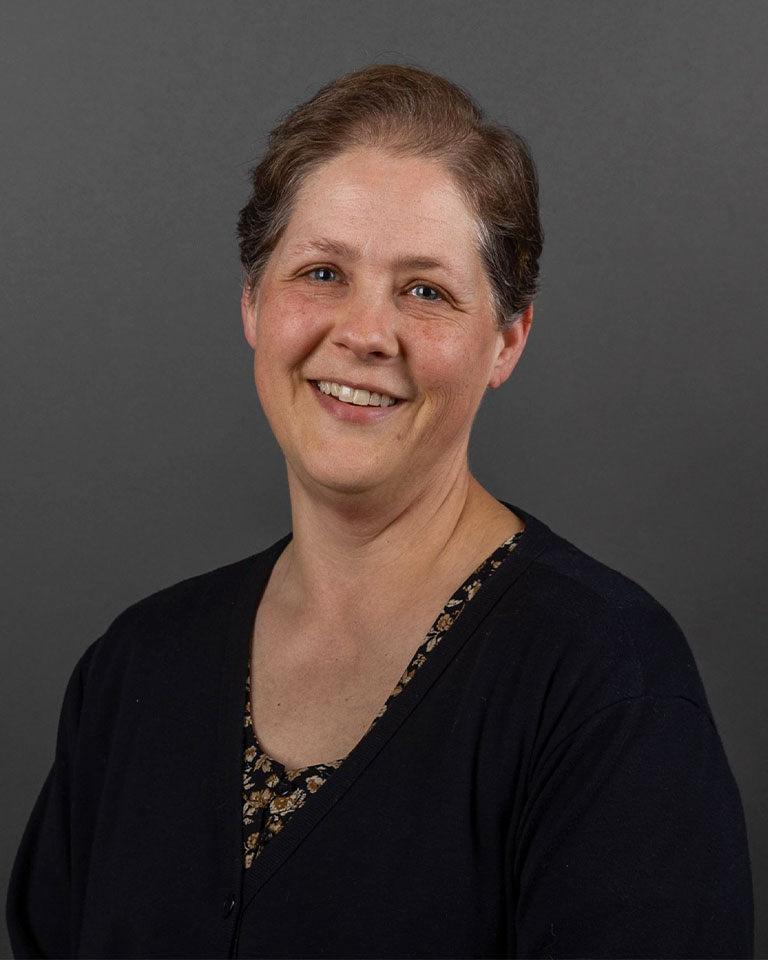


A story by Angela Reith on Sarah Bills. This article is also featured in the May 8, 2026, issue of The Ripple.
Click here to subscribe to this monthly e-newsletter!
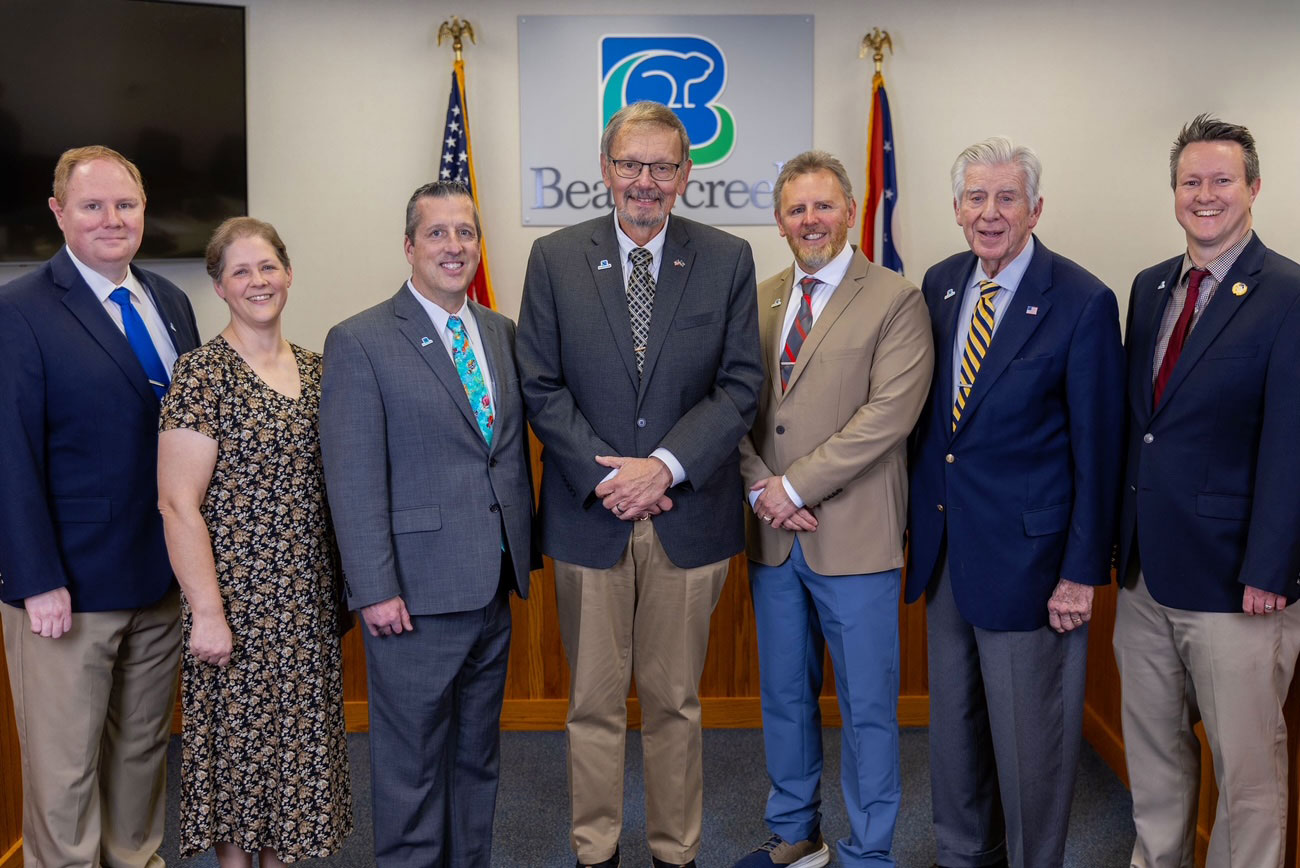
For twenty years, Sarah Bills has lived in the small suburban city of Beavercreek, located about five miles east of Dayton. Like many of us, she loves nature, cares about a healthy environment, and feels a responsibility to help influence positive change in her community. But unlike most of us, she has followed a trail of civic engagement leading to her current role on city council. Serving in public office is a terrific way to influence decisions impacting human and environmental health, and it’s not as unattainable as one might think.
How did this home school mother of five become a community leader? With a degree from Cleveland State University in religious studies, service is part of Sarah’s personal ethic. Always deeply involved in education, family life and community, she found herself with time to give as her children grew older.
Sarah is an avid gardener of both vegetables and native plants, so she sought opportunities to serve in ways that supported what she loved. On the Beavercreek Tree Advisory Board, she helped update the city’s landscaping ordinance. This advisory board consists of five volunteer members appointed by City Council to advise on the planting, care, and removal of trees on city property. She also volunteers for Dayton Area Wild Ones (a nonprofit focused on native plants) and Beavercreek Wetlands Association. She is currently deepening her understanding of local issues by participating in a year-long “Dayton Environmental Leaders Program.”
Most local council people and trustees enter public office as citizens who want to help, and Sarah is no exception. As she sought opportunities to support her community, she met many people and became more connected. She has worked seasonally with the Greene County Board of Elections and as a Location Manager on Election Day. Her attended the city’s Citizens Academy to learn more about city departments and divisions and how they operate. She became a Green County Democratic Party Precinct Captain and joined Citizens for a Better Beavercreek. Now, as a city council member, she is finding new ways to make a difference.
Sarah encourages others to engage with their communities, starting with an area that excites them. For Sarah, the Tree Advisory Board is a great example. It plays a key role in maintaining Beavercreek’s "Tree City USA" status, an Arbor Day Foundation programming partnership with the U.S. Forest Service that honors cities committed to managing and expanding their urban forests. This national program is designed to include cities of any size. Locally, both Milford and Mariemont have TreeCity USA status. Her role on the advisory board helped her be more influential in advocating for a landscaping ordinance that allows and encourages native plants in yards and in being a trusted reviewer of business landscape plans to reduce invasive species.
Sarah ‘s best advice to people interested in civic engagement is to attend City Council or trustee meetings. If you want to see a meeting before you attend to familiarize yourself with the setting, you can usually find recordings of previous meetings on the city or township website or on YouTube. Although it might seem intimidating, Sarah happily points out that these council members aren’t life-long unapproachable career politicians. They are our neighbors and community members who are there to listen to us. In fact, she loves to go to public events and ceremonies to get a chance to engage the members of her community. It’s one of her favorite parts as a Council member!
Ultimately whether educating the public through presentation via City Council or coming together as a group of citizens and neighbors to start a conversation, literally anyone can help advocate for and support healthy environments and communities!