

Each year, Earth Day reminds us that environmental stewardship is not just the responsibility of governments or large organizations—it belongs to all of us. This year’s theme, “Our Power, Our Planet,” underscores a simple but profound idea: individual actions, when multiplied across communities, can shape the future of our ecosystems. One of the most accessible and impactful ways to contribute is by planting native plants.
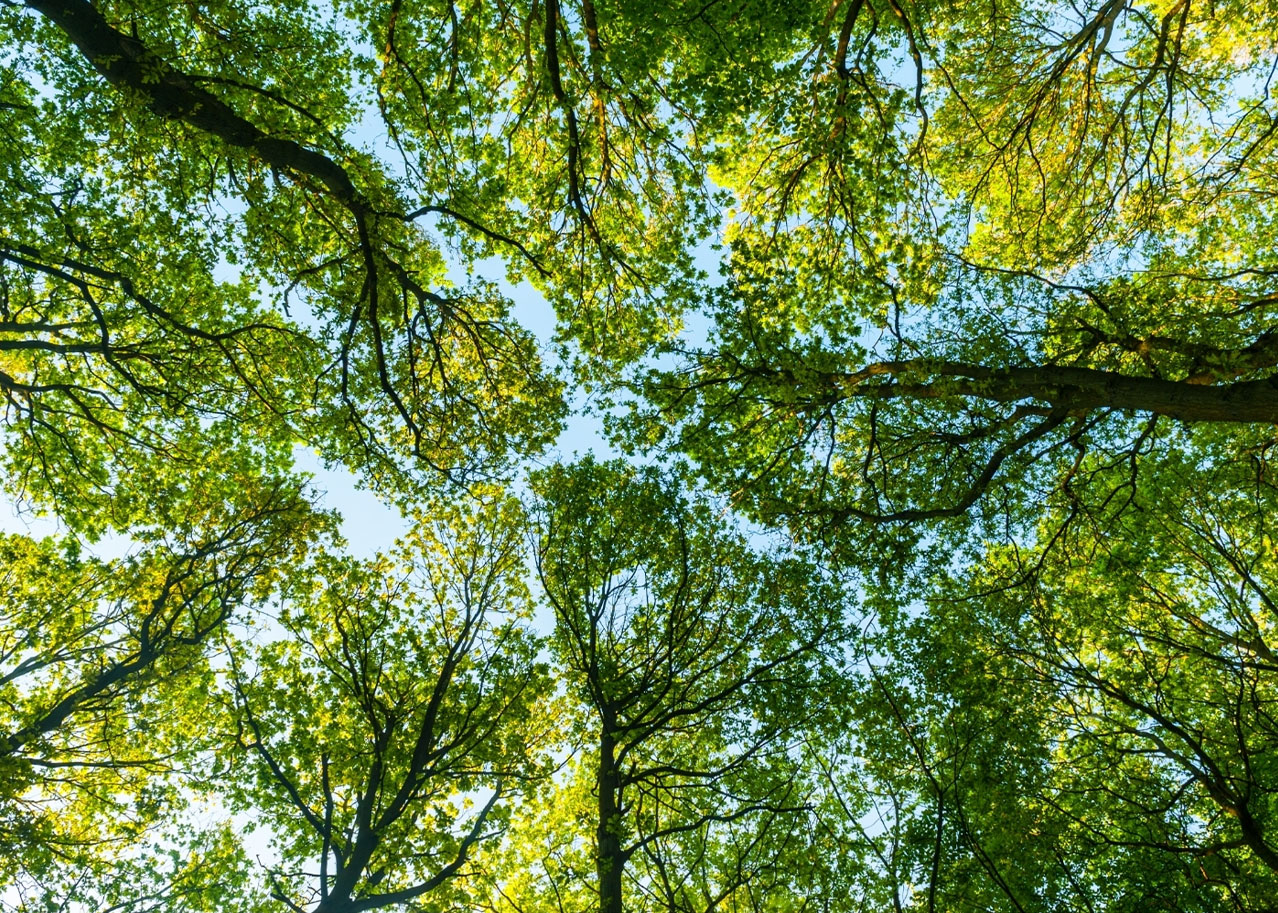
Native plants are species that have evolved over thousands of years within a specific region. Because of this long-term adaptation, they are uniquely suited to local soils, climate conditions, and ecological relationships. Unlike many ornamental or non-native species, native plants form the foundation of healthy ecosystems. They support pollinators, stabilize soils, improve water quality, and provide critical habitat for wildlife.
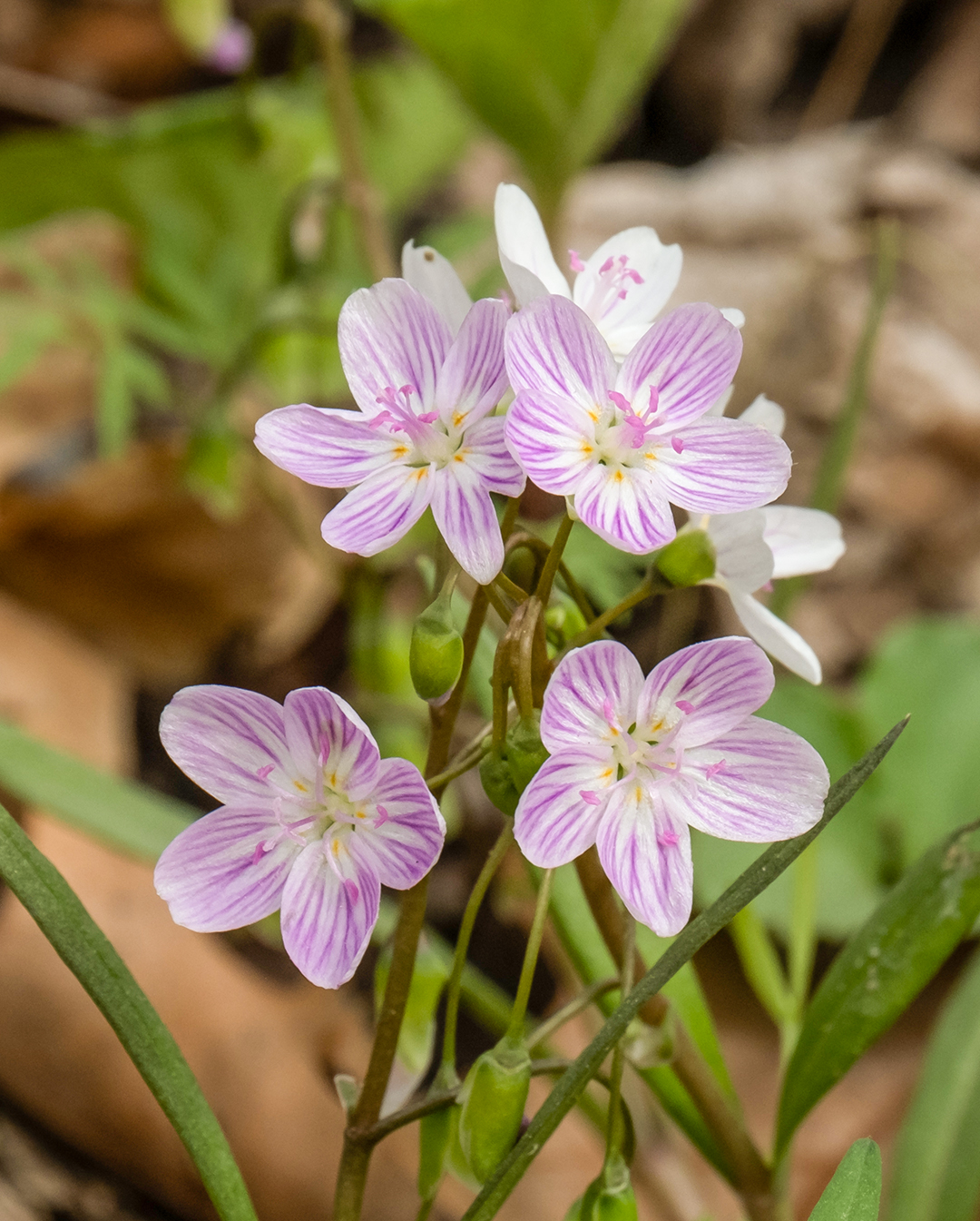
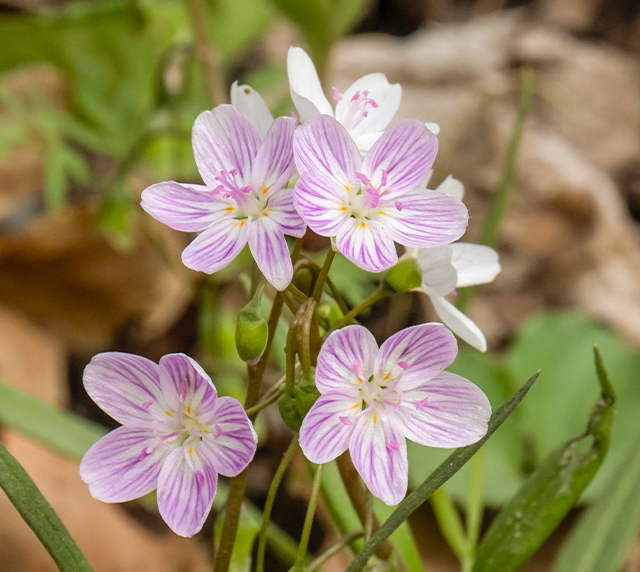
One of the most significant ecological benefits of native plants is their role in supporting pollinators. Many of our native bees, butterflies, and moths have co-evolved with specific plant species. These relationships are often highly specialized; some insects can only reproduce using certain native host plants. A prime example can be found with one of our most common spring ephemeral wildflowers, the spring beauty, Claytonia virginica. Aptly named, the spring beauty miner bee (Andrena erigeniae) only collects pollen for its larvae from spring beauty blooms. Emerging in the spring before the flowers, female bees quickly get to work digging brooding chambers in loose, loamy soil like that found under the leaf litter (yet another reason to leave the leaves in the fall!). Once spring beauty is in bloom, they have only this brief couple of weeks to collect all the pollen they can, the life cycle of the adult bees tied intricately to the bloom period of the flower. Each egg is laid in its own chamber and gets its own cake of pink spring beauty pollen. Through the rest of spring and summer the larvae will eat this pollen and pupate. By late fall they develop into adults and wait out the winter underground in there chambers, emerging in early spring to start the cycle over again.
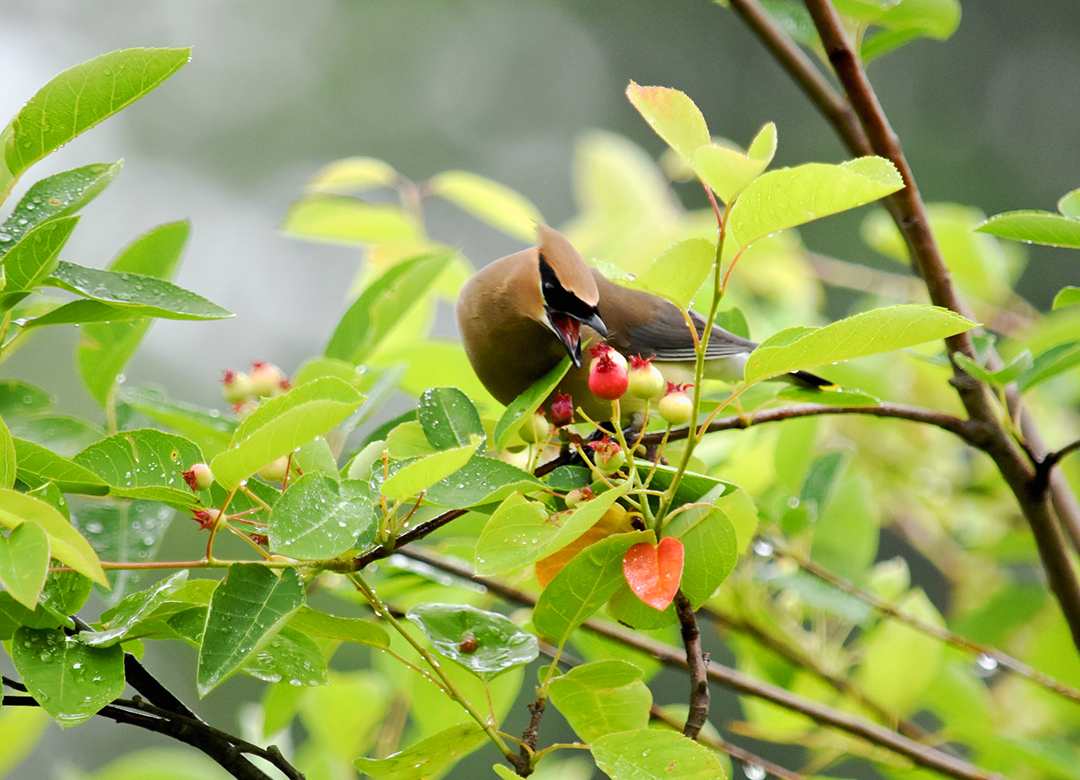
Beyond pollinators, native plants contribute to broader biodiversity. They provide food sources such as seeds, berries, and foliage for birds and other wildlife. In the eastern United States, native shrubs and trees play a crucial role in supporting migratory songbirds, particularly during fall migration when high-energy fruits are needed. A yard planted with native species can function as a microhabitat, creating stepping stones that help sustain wildlife across fragmented landscapes.
Native plants also offer practical environmental advantages. Their deep root systems improve soil structure and increase water infiltration, reducing runoff and erosion. This is especially important in urban and suburban areas where impervious surfaces dominate. Additionally, because native plants are adapted to local conditions, they typically require less irrigation, fertilizer, and chemical inputs than non-native alternatives. This reduces both maintenance effort and environmental impact.
Importantly, planting native species is an action that is both scalable and achievable. You don’t need acres of land to make a difference. A small garden bed, a few containers, or even replacing a portion of a lawn can create meaningful ecological value. Starting small—by planting a handful of native perennials or a single native tree—can initiate a positive feedback loop, attracting beneficial insects and encouraging further habitat development.
Ultimately, the health of our planet depends on the cumulative effect of countless local actions. By planting native species, individuals can directly participate in restoring ecological balance, supporting biodiversity, and building more sustainable communities.
This Earth Day, consider harnessing your power—right in your own yard—to make a lasting impact on the planet.