

A story by Tracy Vonder Brink on Alison Pifer. This article is also featured in the March 6, 2026, issue of The Ripple.
Click here to subscribe to this monthly e-newsletter!
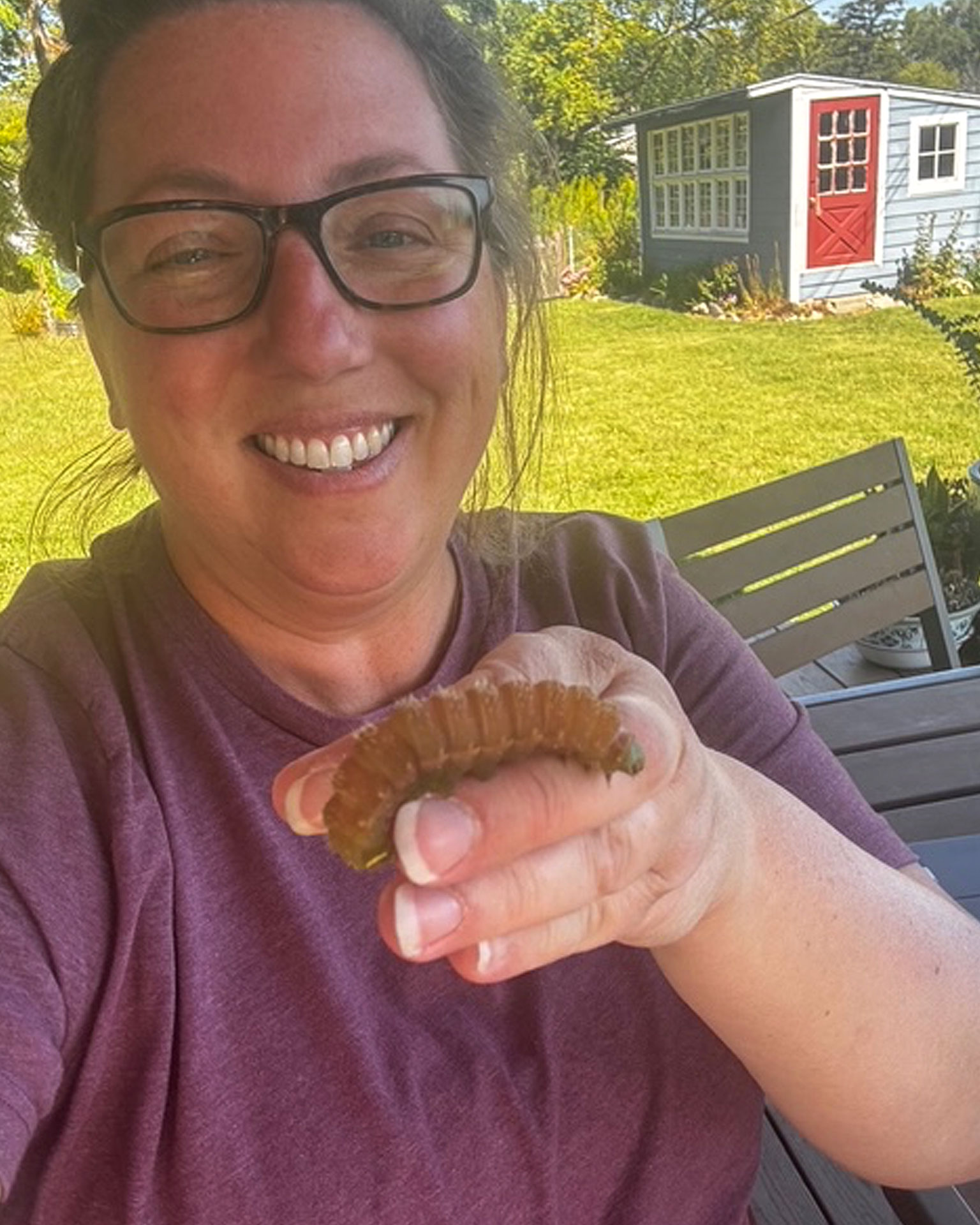
Alison Pifer has always been passionate about clean water and sustainable, home-grown food, and she brought her enthusiasm with her when she moved to Ohio in 2011. She was working for Bellbrook Sugarcreek Park District when she was approached by Hope Taft, Ohio’s former first lady. “I’m from Michigan—I didn’t know who the Tafts were!” Alison laughs.
Hope Taft had founded a grassroots group to clean up the Little Miami River and was looking for a venue to host a celebration for the cleanup volunteers. Alison not only suggested a park for the event but also joined the organization.
“Growing up in Michigan, water quality is massive because it’s such an integral part of life [there], so it’s just something I’ve been super passionate about and loved,” Alison says. The grassroots river cleanup gradually evolved into the Little Miami Watershed Network, and Alison’s involvement grew with it. In 2024, she became its Executive Director.
“We realized the more we did cleanups, the more friends we made,” Alison says. “It’s always been really inclusive in [involving] people in what’s going on and advocating and cleaning, and that’s why I love it.”
Anyone can volunteer at the monthly cleanups, which Alison helps coordinate and still joins. Since 2010, volunteers have removed more than 34,000 pounds of trash and over 1,200 tires from the river, but the need continues—even though the Little Miami was the first National and State Scenic River designated in Ohio. “It’s not just about cleaning up the river,” Alison notes. “It’s about cleaning up the entire watershed so the water can get better.”
Alison is just as passionate about urban homesteading. “I’ve always had a garden,” she says. “I’m from a small farm community [where] gardening is a huge part of [your] pride.” When she and her husband moved to Ohio, they bought an abandoned home to rehab, and a garden soon followed. As she was growing food for her family, Alison realized some of the kids living around her didn’t have easy access to fresh fruits and vegetables. So, she opened her garden to her neighborhood. “If you’re willing to come weed at my house, you can take whatever you want!” she says.
Her enthusiasm doesn’t always equal success, but she doesn’t let that deter her. “Sometimes it doesn’t work. I’ve had years where I’ve gotten nothing. Two years ago, when we had that drought, nothing. But you know what? I got beans that were super dried out, and I haven’t bought bean seeds since,” she says.
She’s had to bring that optimism to an unexpected hurdle: chicken ownership. She and her husband brought new life to a chicken coop on their property, and they and their neighbors were enjoying fresh eggs. Then an animal control officer called. “She was really nice, but it turns out there’s rules,” Alison laughs. Their chickens were illegal.
After reluctantly parting with her hens, Alison reached out to others who were interested in owning chickens. She hopes they can find a way to work with the city and come up with a plan for legal, reasonable chicken ownership within city limits. “To us it’s always been about harvesting our own food and being able to provide for ourselves,” she explains.
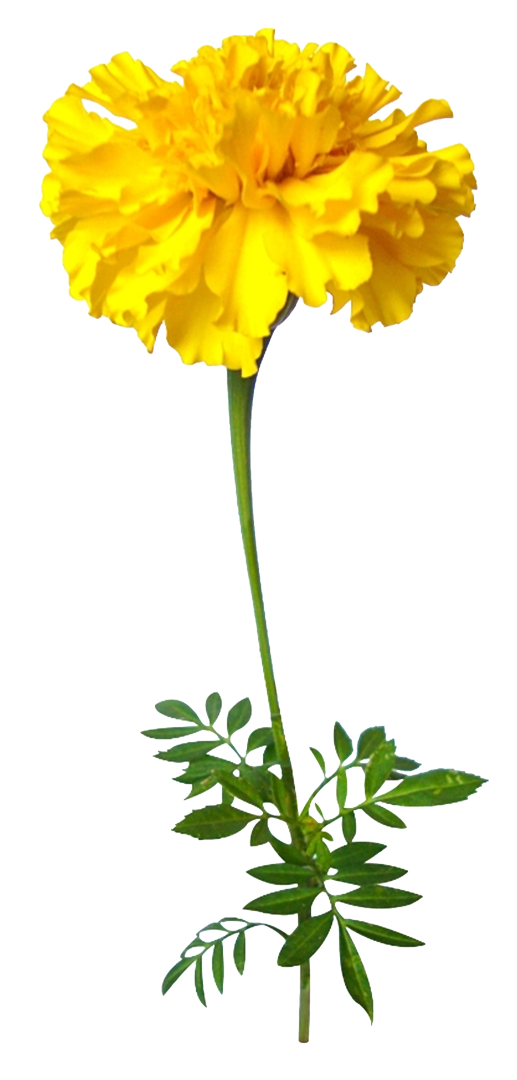
If you’re interested in learning to grow your own food, Alison says you don’t have to be a master gardener: “If you want to try to start, plant a marigold. Marigolds are really hard to do wrong…put it on your back porch, just make sure it has sun and light.”
She feels that doing something as simple as growing a marigold can spark an interest in gardening. Alison adds that growing plants—whether a marigold or food you can harvest—helps the spirit too. “Even if it’s chaotic all around you, you have that be your little thing you’re growing and you’re nurturing, and know that you’re doing it for yourself too,” she says. “Nurturing it will end up letting it nurture you.”