

This article was also featured in our April 1, 2026 issue of Now in Nature.
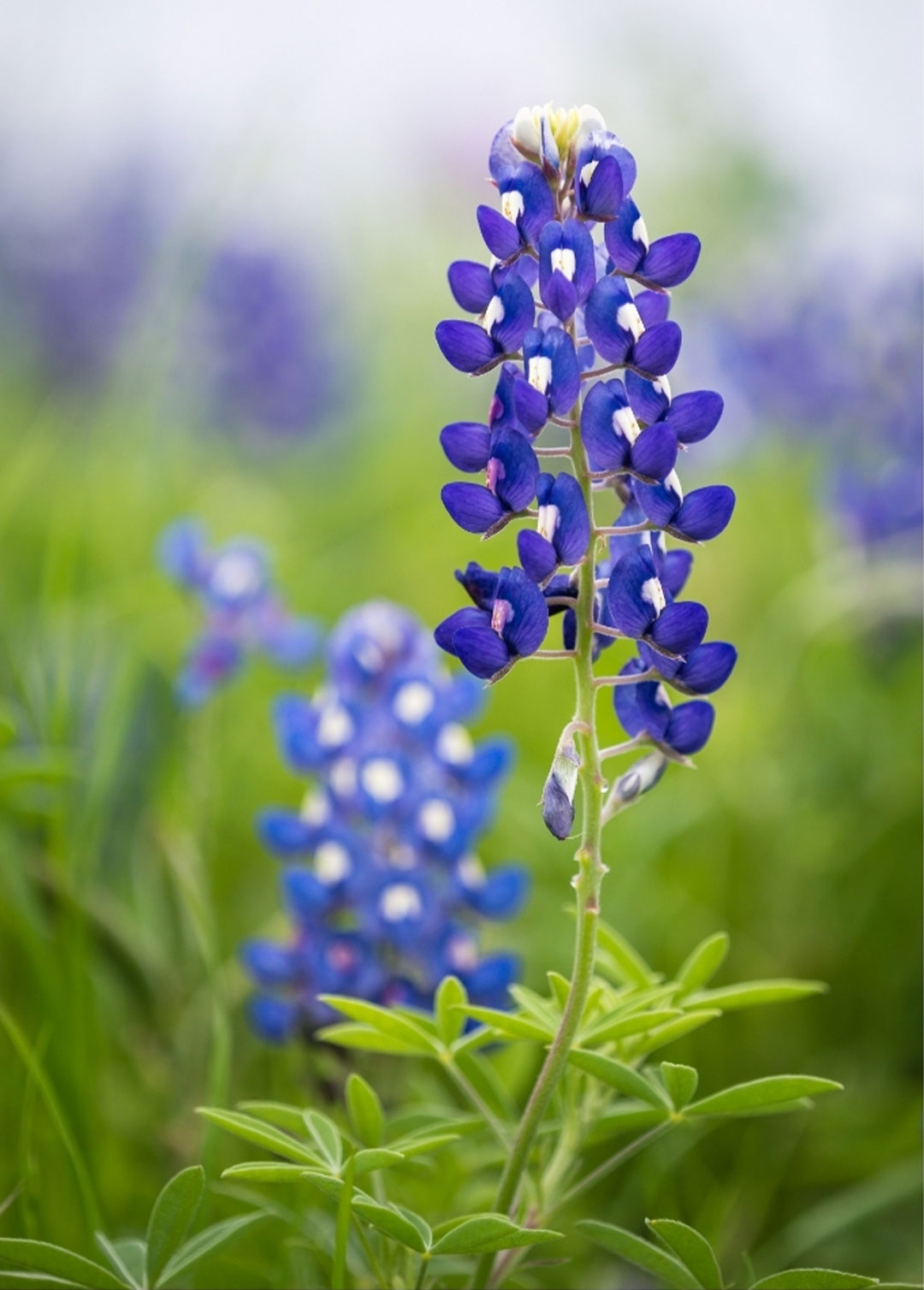
Every child who grows up in a Texas classroom will read Tomie dePaola’s The Legend of the Bluebonnet. It tells the story of a Comanche girl whose sacrifice turns the Texas plains into fields of bluebonnets. Long before I understood ecology, the story left me with an understanding of Texas’ most sacred flower, the flower’s importance, and the place it belongs. My parents went so far as to tell me bluebonnets were illegal to pick. Turns out, they’re not. This myth instilled respect and admiration for the flowers but stopped short of explaining why it was important to leave them alone.
As an adult with my own yard, it's been eye-opening to learn why planting native plants is so important. I’ve learned that:
We all have a responsibility to act as caretakers of the natural world. If you’re a landowner, you’re a land manager. The plant choices we make matter.
Plants need to be more than pretty. The plants native to a region are not just scenery; they create the foundation for life to thrive. Native plants feed native wildlife. The more kinds of native plants, trees, and shrubs in an area, the more kinds of wildlife. This diversity is good for everyone, including us.
Inspiration starts by learning about the native plants around us. My home state flower, the Texas bluebonnet (Lupinus texensis), shaped the way I see the natural world and inspired me to learn about native plants. Every state has its own version of the bluebonnet.
This month, pick out one native plant that speaks to you and learn its story.
It may inspire you more than you expect—like the time I was so taken by how effortlessly our native elderberry grows that I ended up with far too many plants for my very tiny backyard.