

Our country is undergoing perhaps the most sweeping rollback of protective environmental regulations in its history, and if you feel anxious about this, you’re not alone. Some people turn to coping strategies such as blaming others, becoming pessimistic, distracting themselves, or focusing on small personal choices like recycling. But we’re all embedded in systems that limit our choices and mask our impact on the earth. Other than wishing things were different, what can we do?
The Ripple Effect Course explores this question as it educates, inspires, and connects people who care about a healthy environment and a healthy society. It’s based on an approach we call Conservation Civics, which involves building strong social ties, understanding how decisions are made in one’s community and seeking opportunities to influence those decisions. It has the added benefit of creating a sense of belonging and purpose at a time when our society faces a loneliness epidemic. It’s a win for people, communities, and the environment.
What will you learn?
We should be curious, not judgmental. Rather than jumping to conclusions or stating our opinions as facts, we can practice remaining open to other ideas and perspectives. This tends to make others more willing to consider new ideas as well, and we might just find ourselves engaged in productive problem-solving.
Our continued survival relies on our ability to tap into the best of our social instincts. Humans have evolved as a social species by working together. We’re capable of solving environmental problems through effective legislation, new technology, behavioral norms, and creative planning but only if we can overcome the things that get in our way: polarization, distrust, isolation and pessimism. That’s why to protect nature, we must better connect with other people.
People are most influenced by those they know and trust. While some people feel a charge of power from self-righteous anger, our real power lies in our ability to build and preserve relationships, not damage them. The most radical thing we can do for conservation might be peace, not protests.
The more we emphasize common ground, the more likely we are to find win-win solutions. If we can find areas where the diverse interests of many people intersect, we can co-create unique solutions where everybody wins and economic, social, and environmental stability prevails.
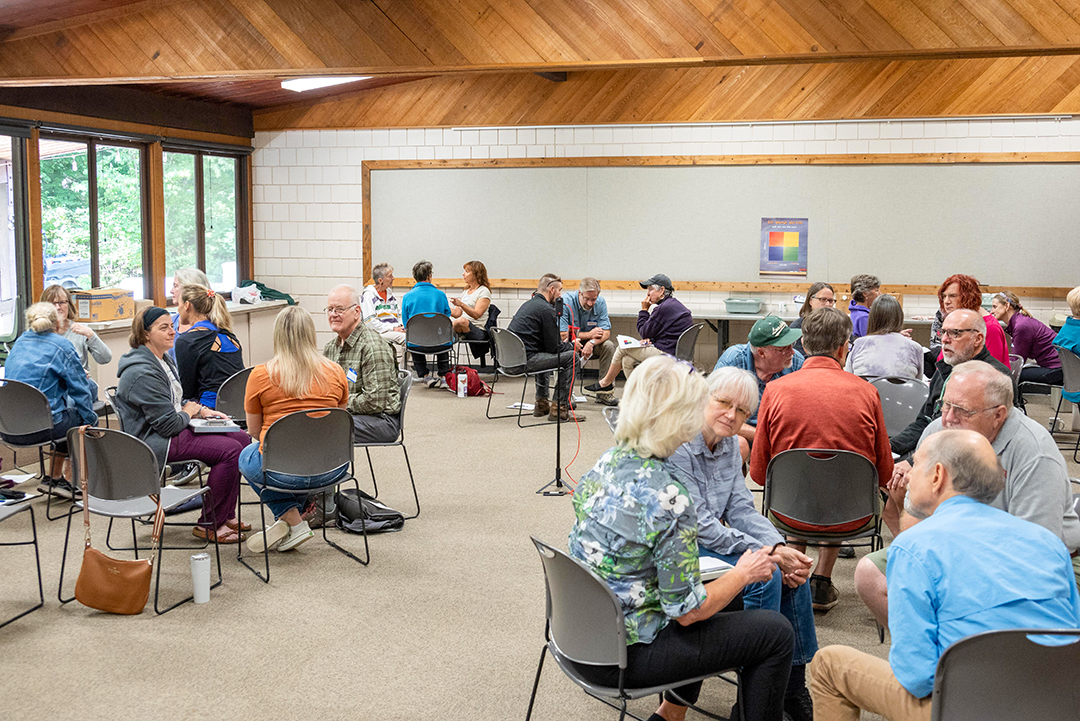
Over the course of five weeks with online learning modules and in-person discussion sessions, The Ripple Effect Course will present five categories of action that can make a difference. Along the way, we’ll discuss human psychology and behavior, systems-thinking, and effective communication techniques.
The course helps grow a positive attitude, a healthy dose of goodwill, and a willingness to embrace discomfort as we grow and change to become more influential and impactful.
Remember: The only thing that can take away our power is the belief that we don’t have any.
Join me on a journey of hope and power—register for The Ripple Effect Course today! Click here to learn more.