

This story is written by Melissa Sabo, School Program Manager. This article is also featured in the Autumn/Winter 2026 issue of Newsleaf Magazine and the September 2, 2026, e-newsletter, Now in Nature.
Fans of The Guinness Book of World Records should gather around for this one! We have a new category to announce: “World’s Most Resilient Creature.” You’ll have to look very closely to see the recipients, but you’re likely to find them just outside your door. Introducing, the water bear (or tardigrade, for those of you who love a $2 word). These unique micro-animals are ready to offer some pro tips to humans about self-care.
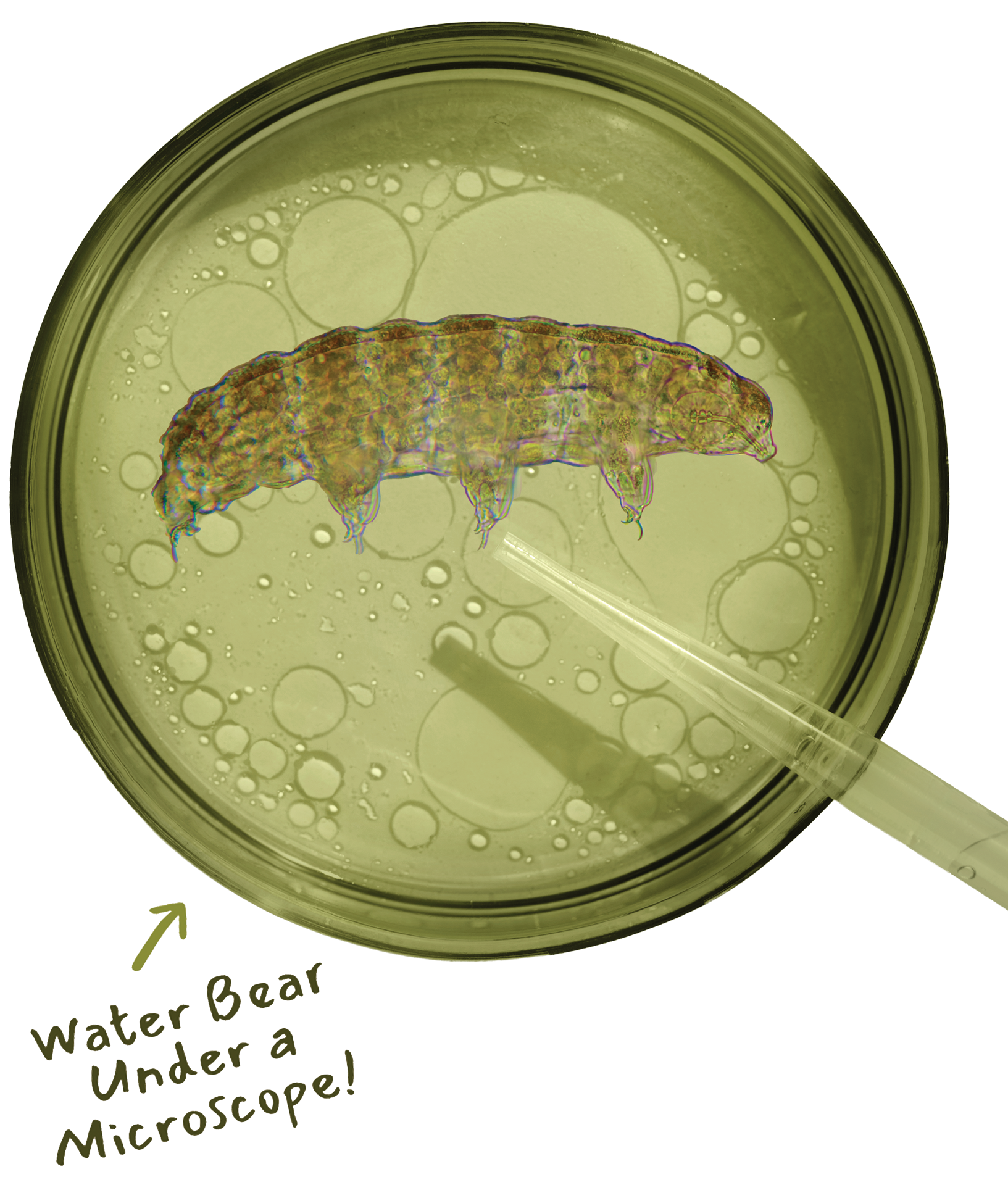
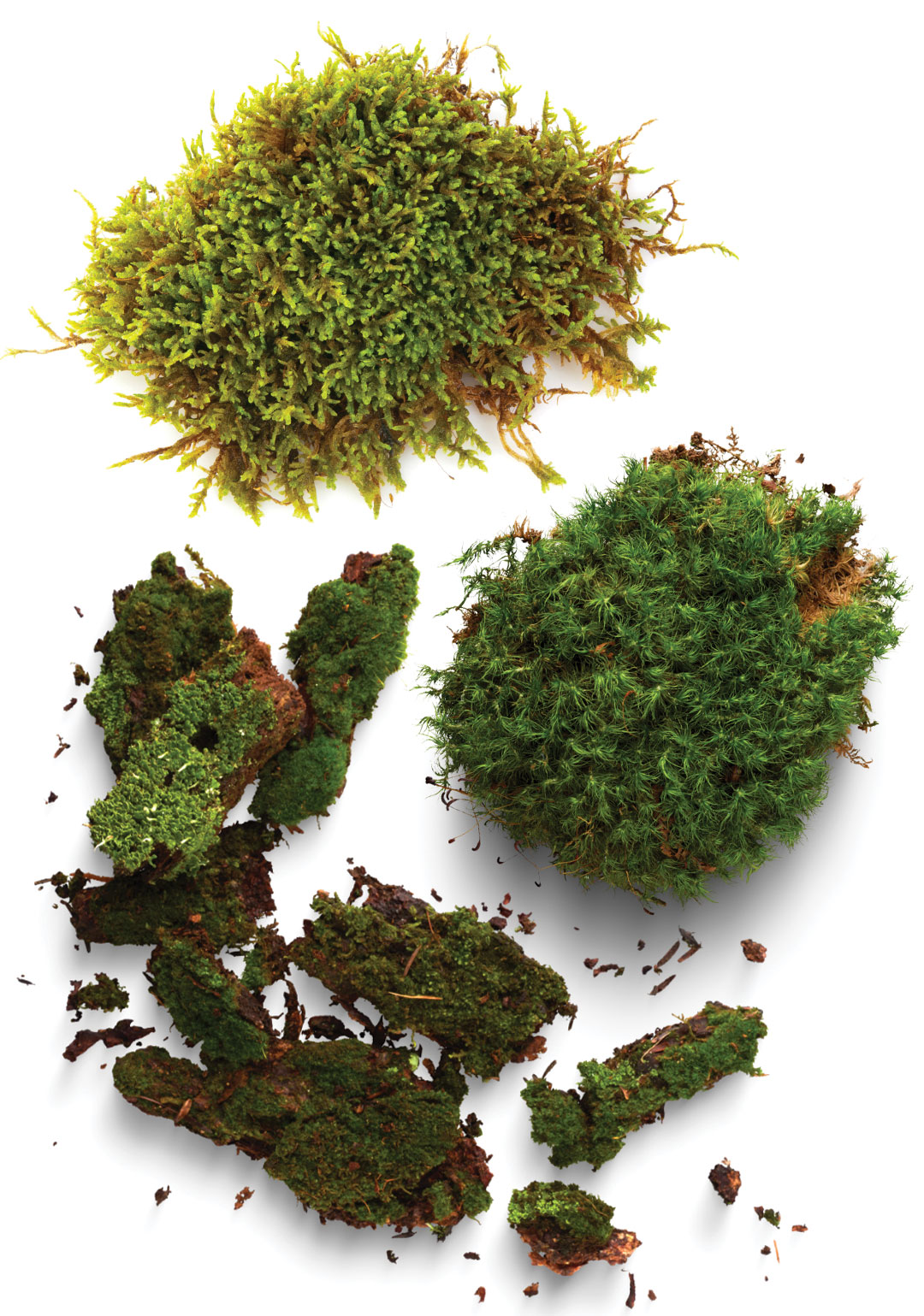
If you’re not familiar with the water bear, get that microscope out. These creatures are as small as the period at the end of this sentence. Their size hasn’t hurt their time on Earth, though. Long before dinosaurs existed, water bears were roaming almost anywhere moisture was found, bumbling around on their gummy-bear legs, looking for a snack. In the modern-day Midwest, you might find these quirky invertebrates living in mosses (giving them the adorable nickname “moss piglets” ), on patches of lichen, in damp areas of soil, or rustling around in fallen leaves. Lakes and ponds may also have their share of tardigrades roaming the silty depths. These incredible creatures can also be found far from us, from mountaintops to the bottom of the sea. Their resilience and ability to survive in various habitats come down to a few key traits that may provide inspiration about how to better cope with our own tough days.
Did you know that moss provides the moisture tardigrades need to thrive?
Rest
When conditions are too harsh for a water bear, they’re able to dump almost every drop of water from their bodies, pull their legs in, curl into a ball, and enter a resting form called a tun.
While it’s not a great move to dehydrate yourself when you’re having an unpleasant day, being able to recognize the factors causing you stress is very “water bear” of you. Find your favorite place to cuddle up and take a moment to yourself to conserve your emotional energy. While we don’t suggest you try to beat the water bear nap record (which is decades long), grab a 20-minute snooze in a hammock, and you may wake up with more pep in your step. For an upright rest, our little tardigrade friends might recommend a mossy log and a book to read.
Protect
In the peaceful, well-hydrated days of their lives, some species of tardigrades develop a specialized protein (the Damage Suppressor protein) that wraps around their DNA like a protective shield. This protein allows them to survive levels of radiation that could kill a human. Tardigrades also use this method to protect their cells from chemical molecules that would otherwise wreak havoc on their tiny systems. To add a gold star to their wake-up process after turmoil, tardigrades are hyper-efficient at repairing damage to their cells.
Working on protection tactics for yourself while things are feeling peaceful can feel low on your list of priorities. But learn this lesson from our little moss piglets. If you work on techniques like deep breathing, meditation, stretching, and positive self-talk when you’re feeling resilient, then you’ll build a much stronger shield for when life sends chaos your way. These practices can also help you heal and repair more quickly when you’re coming back out of the gloom.
Simplify
When water bears are in their tun state, they aren’t keeping up with neighborhood news. They break things down to their simplest level and get rid of anything they don’t need, entering a state of suspended animation.
Consider a digital detox. Find an afternoon to put down your phone, turn off the computer, and find a relaxing place to take in your natural surroundings. Try to suspend your own animation and “pause” your reactions to society for a few minutes.
Anchor
We’ve talked a lot about water bears in their tun state, but they have some great options for those regular days of wandering, too. Most tardigrades have 4–8 hooks on the ends of each of their eight legs, giving them stability and helping them anchor themselves while exploring habitats.
You may not have hooks to help you stabilize, but you can certainly build some anchoring habits. Which of your routines are must-haves to keep you from being swept away on a turbulent day? Whether it be a cup of tea in the morning, a deep breath when you close your car door, or a postdinner walk, these little habits can help you feel grounded.