With fall quickly approaching, many people are preparing for the impending winter months. The cool brisk air will soon give way to those frigid temperatures, howling winds, and snow. Many are preparing themselves and their homes before the weather turns. Cleaning gutters, chopping firewood, raking leaves, and putting away the patio furniture are all common fall chores we do around the house. There are some other things we can do—or not do—to improve the health of the habitats around our yards to benefit local wildlife.
Feed the Birds
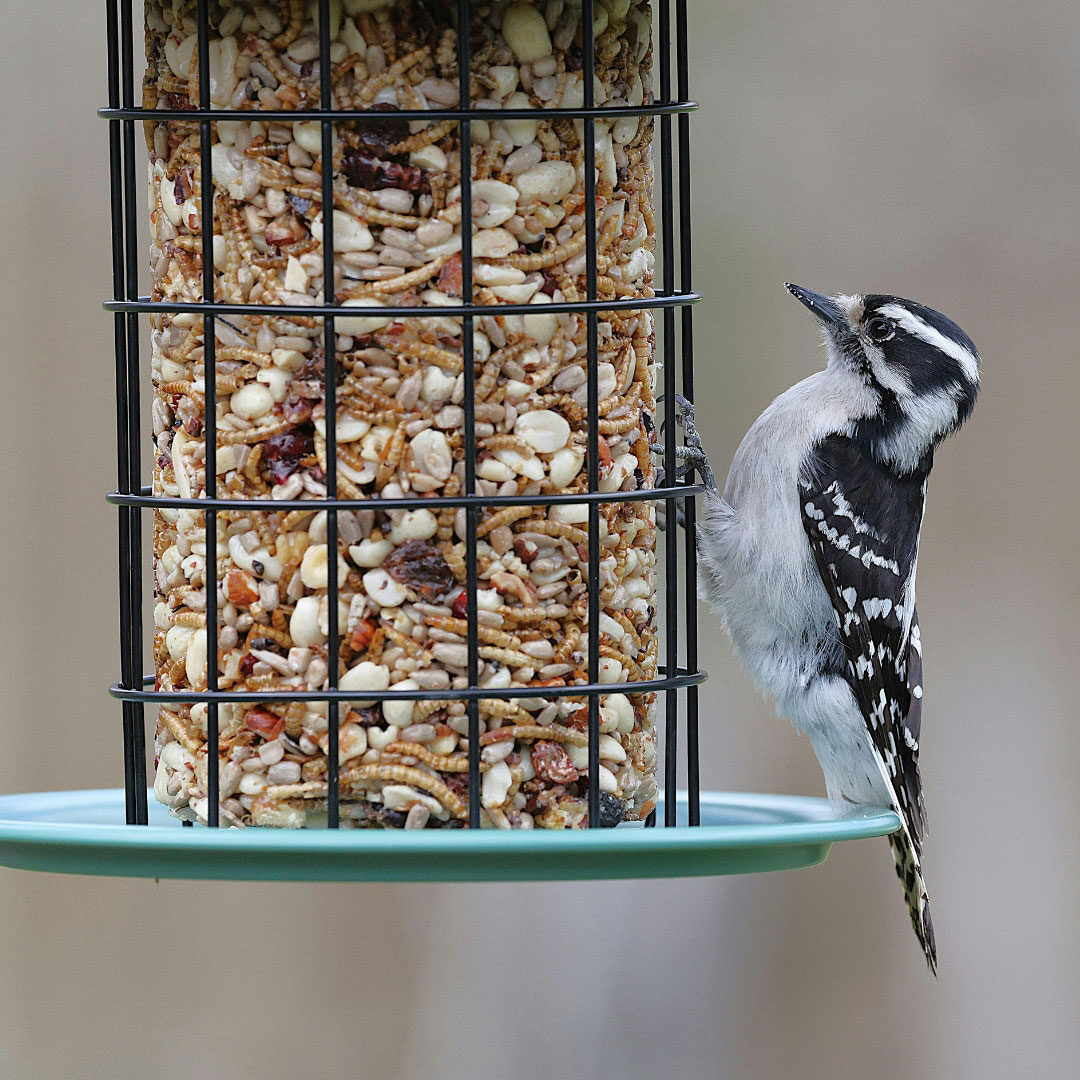
There are a few things we can do around our yards to help the birds get through the winter. Many people feed birds year-round; however, feeding them in the winter is the most important time of year. Cleaning your feeder should be done regularly, once every two weeks. Once clean, be sure to keep your feeder filled throughout the winter.
It's Okay to be Lazy...
Another way to feed the birds is by leaving seed heads on dead flowers to attract a variety of birds to your garden. Finches, sparrows, and chickadees are just a few of the bird species that will feed on the seeds left by the old flowers. In leaving the seed heads through the winter for the birds, insects will also benefit.
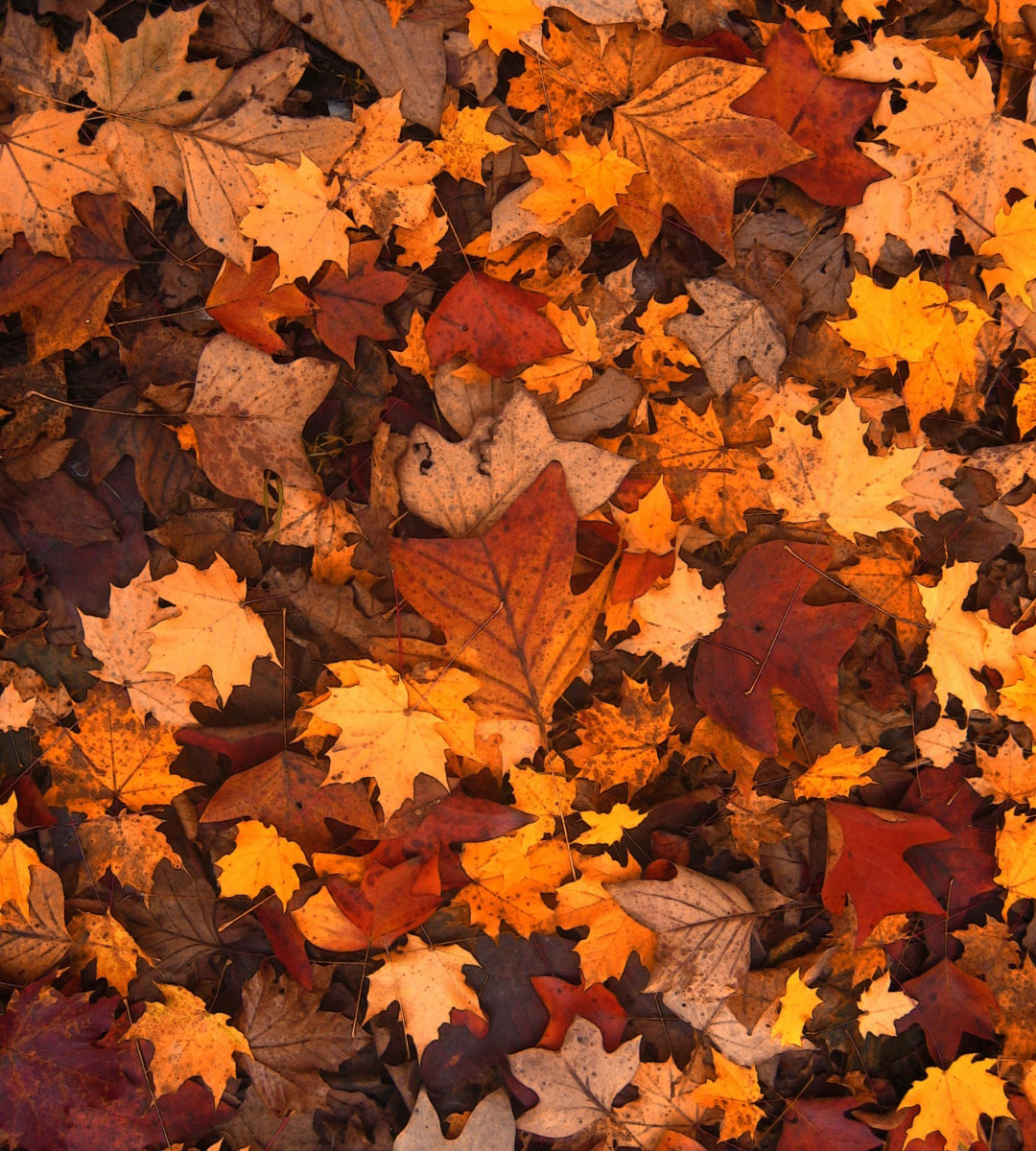
Cleaning up the leaves is another fall chore around many yards. Some butterflies overwinter as adults in thick piles of leaf litter. Raking leaves into piles will provide a safe winter habitat for several overwintering butterflies and other beneficial insects.
...Except When It Comes to Invasives
While our native plants can hang out without worry throughout the winter, fall is a great time to tackle those unwanted invasive plants. Fall is the best time to treat or remove many invasive plants, such as Amur honeysuckle, which retains its green leaves late into the fall, unlike our native plants, which have gone dormant. If you choose to use an herbicide on the invasive plants, most herbicides will not impact the native plants if they are not actively growing.
When to Clean Up
As spring arrives, plan on cleaning up as you begin preparing your garden for spring planting. Wait until there are several days of temperatures over 50 degrees Fahrenheit, which will allow overwintering pollinators to emerge and leave their overwintering sites. The debris created by cleaning up can then be used as mulch for the next season!