

This article was also featured in our February 21, 2024 issue of Now in Nature.
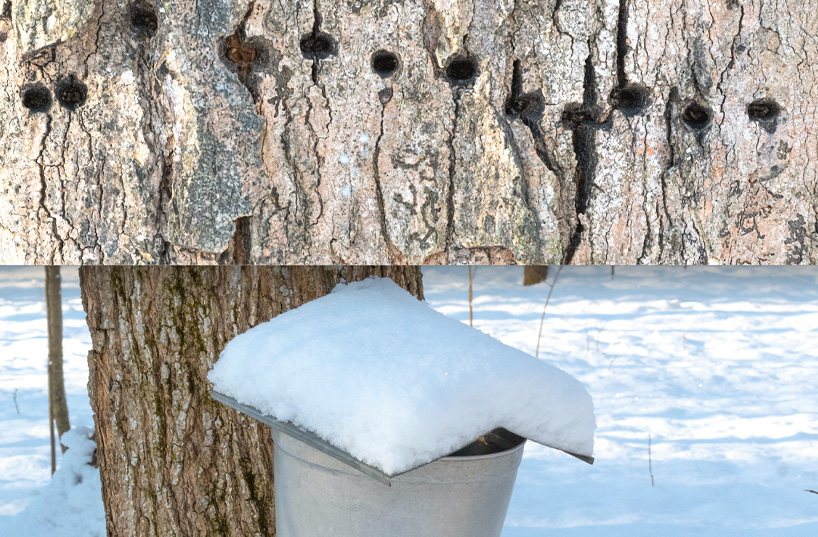
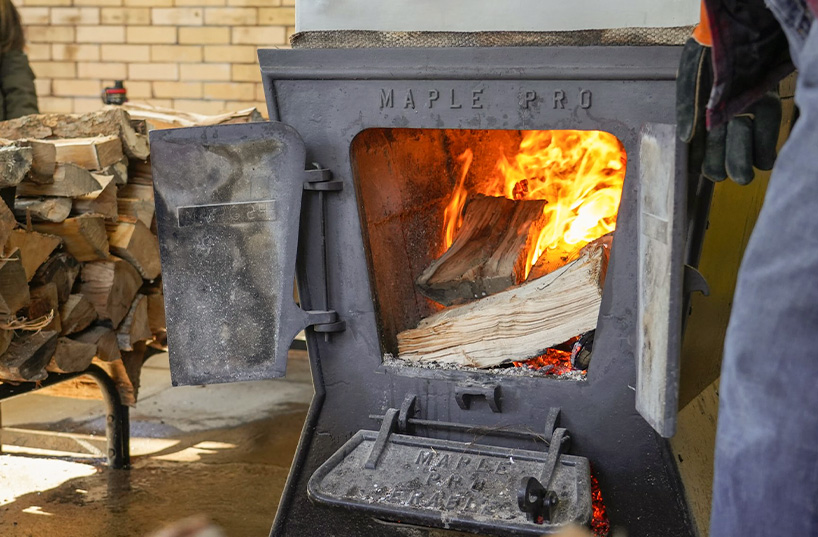
One of the programs offered in winter at the Nature Center is maple sugaring. While the tools have been modified and the steps refined over time, the recipe for syrup hasn't changed. The sole ingredient is sugar maple sap.
Upon first inspection of the sap collected from sugar maple trees, it is neither thick nor brown. Sap is watery. But, what about that thick, sticky substance seeping from conifers? Is it sap? No.
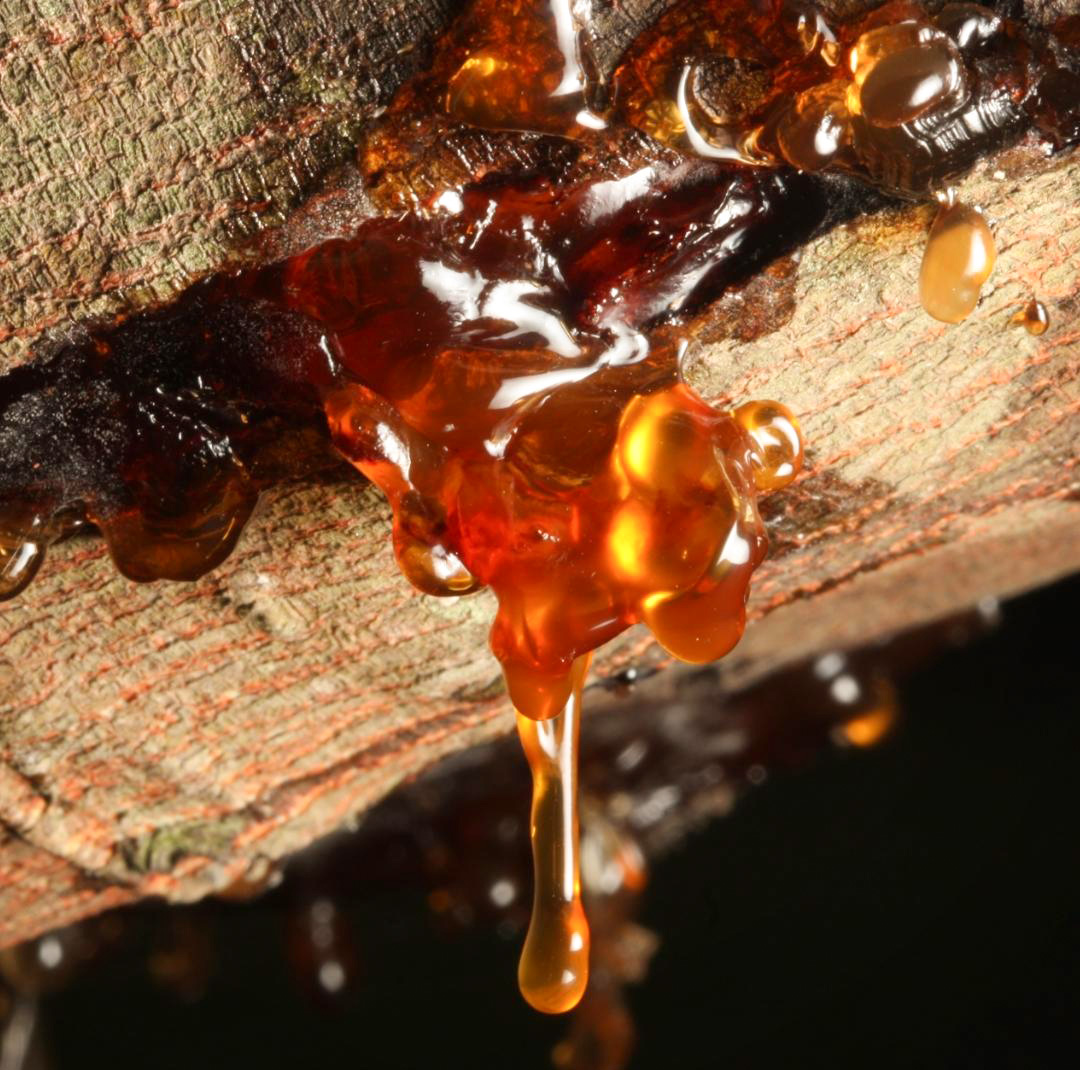
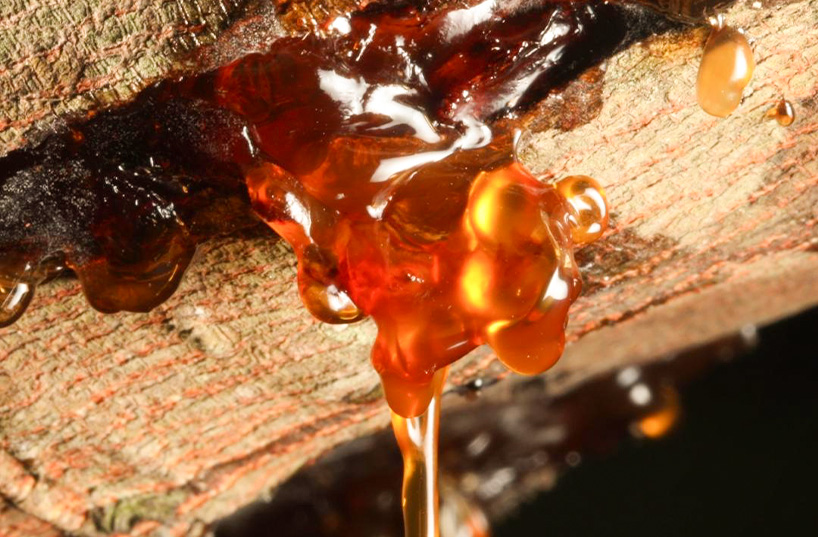
Conifers have sap, but also produce resin. Sap moves through the tree's circulatory system. Resin is produced by specialized cells and collects just inside the bark, analogous to our sweat and oil glands.
Resin jumps into action when a conifer is injured, oozing over the wound and hardening as a protective shield. While it and other tree gums would not taste good on pancakes and waffles, they are important to us and have a long history. Click here to learn more!